Soccer is a beloved sport for many kids and adults in the US. One important aspect is choosing the right soccer ball size.
Knowing the correct ball size for different ages ensures better play and skill development. Soccer balls come in various sizes, each suited for specific age groups. This helps in proper handling and control, making the game enjoyable and safe. For young players, using the wrong size can hinder their progress and even cause injuries.
This guide will help you understand the right soccer ball size by age. Understanding this will make it easier to choose the appropriate ball, ensuring a fun and effective soccer experience for players of all ages.
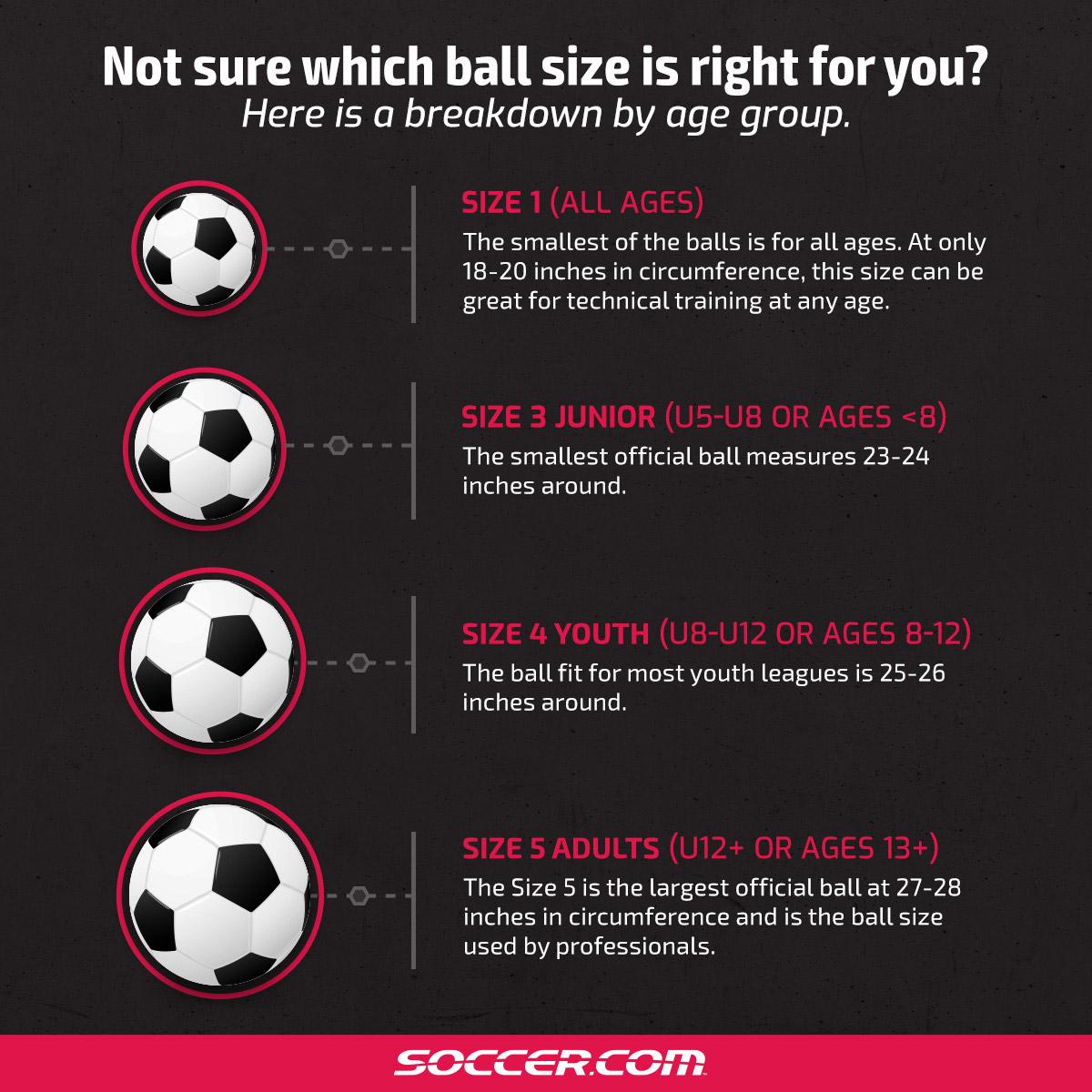
Credit: www.soccer.com
Soccer Ball Sizes
Choosing the right soccer ball size for different ages is crucial in the development of young players. Soccer ball sizes are designed to suit the physical abilities and skill levels of children at various stages. Understanding these sizes ensures that children can play safely and effectively. This guide will help you navigate soccer ball size recommendations for different age groups.
General Size Guide
Choosing the proper soccer ball size depends on the player’s age. Below is a general size guide to help with age-specific soccer balls:
| Age Group | Soccer Ball Size | Ball Circumference (inches) |
|---|---|---|
| Under 8 | Size 3 | 23 – 24 |
| 8 to 12 | Size 4 | 25 – 26 |
| 13 and older | Size 5 | 27 – 28 |
This soccer ball size chart provides a quick reference for parents and coaches. Here are the key points for each size:
- Size 3: Suitable for children under 8. It is the smallest and lightest, making it easier for young kids to handle.
- Size 4: Designed for players aged 8 to 12. This ball is slightly larger and heavier, helping kids develop their skills.
- Size 5: The standard size for players 13 and older. This is the official size used in professional and international matches.
Importance Of Size
Choosing the correct soccer ball size is vital for several reasons. The right ball size ensures that players can control and maneuver the ball effectively. Here are some benefits of correct ball size:
- Skill Development: Using age-appropriate soccer balls helps children develop the right techniques. Smaller balls for younger players make dribbling and shooting easier.
- Safety: A properly sized ball reduces the risk of injury. A ball that is too large or too heavy can strain muscles and joints, particularly in young children.
- Confidence: Kids feel more confident when they can handle the ball well. Playing with the right-sized ball helps build their self-esteem and enjoyment of the game.
Age-specific soccer balls are part of essential youth sports equipment. Coaches and parents should always refer to soccer ball age guidelines when selecting a ball. Ensuring that kids play with the right size ball enhances their overall experience and promotes a love for the sport.
In summary, choosing the right soccer ball size is crucial for developing young soccer players. Use the soccer ball size chart to make informed decisions and support your child’s growth in the sport. Proper soccer ball size can significantly impact their learning and enjoyment.
Size 3 Balls
Choosing the right soccer ball size is crucial for young players. Size 3 balls are the smallest official balls used in youth soccer. These balls are perfect for young children just starting their soccer journey. Understanding the appropriate soccer ball size by age helps in improving skills and ensuring a fun experience for the kids.
Recommended Age Group
Size 3 balls are recommended for children aged 8 and under. This age group benefits the most from Age-Specific Soccer Balls. Smaller balls are easier for young players to control and kick. They are also lighter, which reduces the risk of injury.
Here is a quick overview of the recommended age group for size 3 balls:
| Age Group | Soccer Ball Size |
|---|---|
| 8 and under | Size 3 |
Using the Appropriate Soccer Ball Size helps in developing skills like dribbling and passing. Young children need soccer balls that match their physical capabilities. Size 3 balls are perfect for this developmental stage. They fit well with the Child Soccer Size Chart, ensuring young players have the right tools for their skill level.
Soccer Ball Recommendations for this age group focus on making the game fun and safe. Proper gear is essential in Youth Sports Equipment. Parents and coaches should follow the Soccer Ball Guidelines to ensure children are using the correct ball size. This helps in fostering a love for the game and building confidence in young players.
Characteristics
Size 3 balls have specific characteristics that make them ideal for young children. These balls have a circumference of about 23-24 inches. They weigh approximately 11-12 ounces. This makes them the smallest and lightest of the official soccer balls.
Here are some key characteristics of size 3 balls:
- Circumference: 23-24 inches
- Weight: 11-12 ounces
- Material: Usually made of synthetic leather for durability
- Design: Often colorful and attractive to engage young players
Size 3 balls are designed to be easy to handle. Their lighter weight helps young players kick and control the ball without straining. Soccer Training Tools for kids often include size 3 balls to teach basic skills. These balls are great for practice sessions and small-sided games.
The smaller dimensions make it easier for children to learn and improve their techniques. Soccer Gear For Kids must include properly sized balls to ensure effective training. Using the right size ball helps in developing coordination and balance. It also makes the learning process enjoyable for young players.
In summary, size 3 balls are essential for children aged 8 and under. Their specific characteristics make them perfect for this age group. Ensuring the use of Youth Soccer Ball Size appropriate equipment helps in the overall development of young soccer enthusiasts.
Size 4 Balls
In youth soccer, the size of the ball is crucial for proper development and enjoyment of the game. Size 4 balls are often used during key learning stages. Understanding their purpose and characteristics helps young players select the right ball.
Recommended Age Group
Size 4 balls are best for children aged 8 to 12 years. This age range includes kids who are refining their skills and learning more about the game. A ball that is too large or too small can hinder their progress and enjoyment.
Here’s a quick breakdown of why size 4 balls are ideal for this age group:
- Manageable Size: Size 4 balls have a circumference of 25-26 inches, making them easier for kids to control.
- Appropriate Weight: These balls weigh between 350-390 grams, which is light enough for young players to handle without straining.
- Skill Development: This size aids in the development of dribbling, passing, and shooting skills.
Using a size 4 ball aligns with the physical capabilities and developmental needs of children in this age bracket. It strikes a balance between being challenging yet achievable, and fostering a positive learning environment.
Characteristics
Size 4 balls come with specific features that make them suitable for young players. Here are some key characteristics:
- Material: Usually made of synthetic leather, which provides durability and a soft touch.
- Bladder Type: Often have butyl bladders for good air retention, ensuring the ball stays inflated longer.
- Surface Texture: These balls have a textured surface that enhances grip, making it easier to control the ball.
- Panel Construction: Typically consists of 32 panels, which provide a more predictable flight path.
The characteristics of size 4 balls ensure they are resilient and maintain their shape and performance over time. This is especially important for young players who are still mastering their techniques and need reliable equipment.
Overall, the design and features of size 4 balls support the growth and skill acquisition of young soccer players. Choosing the right ball size is a simple yet vital step in helping them enjoy and excel in the sport.
Read More: 9 Best Size 4 Soccer Ball
Size 5 Balls
Choosing the right soccer ball size for players is crucial for their development and enjoyment of the game. Size 5 balls are the most common and are used in many official matches. Understanding the specifics of Size 5 balls can help in making informed decisions for different age groups.
Recommended Age Group
Size 5 balls are designed for players aged 12 and older. These balls are the standard size used in professional, collegiate, and high school matches.
Here are some key points about the recommended age group:
- Age Group: 12 years and older
- Usage: Suitable for official matches and training sessions
- Development: Helps young players transition to adult-sized equipment
Using age-appropriate soccer gear is essential for skill development and safety. A size guide for soccer balls typically indicates that Size 5 balls are best for teenagers and adults. Ensuring players use the correct youth soccer ball sizes can prevent injuries and improve performance.
For a quick reference, here’s a simple table:
| Age Group | Soccer Ball Size |
|---|---|
| 12 years and older | Size 5 |
Characteristics
Size 5 balls have specific characteristics that make them suitable for older players. These features include:
- Circumference: 27 to 28 inches
- Weight: 14 to 16 ounces
- Materials: Often made from synthetic leather for durability
Understanding the soccer ball weight by age is important for selecting the best soccer ball for kids. The weight and size of the ball influence how players control and kick it. For older players, a heavier ball helps in building strength and improving techniques.
Here’s a detailed table of Size 5 ball dimensions:
| Characteristic | Details |
|---|---|
| Soccer Ball Size | Size 5 |
| Soccer Ball Dimensions | 27 to 28 inches |
| Soccer Ball Weight | 14 to 16 ounces |
Using the right soccer ball size chart can help identify the age-specific soccer balls needed for different players. This ensures players have the right children’s soccer equipment for their age and skill level.
Choosing the correct ball size is vital for player development and enjoyment. Age-appropriate soccer gear ensures players can learn and play safely, making the game more enjoyable for everyone involved.
Choosing The Right Ball
Choosing the right soccer ball for your child can make a significant difference in their development and enjoyment of the game. The right ball size ensures better control, improved skills, and a safer playing experience. By following a Size Guide For Soccer Balls, parents and coaches can ensure they pick the most appropriate ball for their young players. This section will help you understand the factors involved in selecting the right soccer ball for different age groups.
Skill Level Considerations
When selecting a soccer ball, considering the skill level of the player is crucial. Beginners might struggle with larger, heavier balls, while more advanced players need a ball that challenges their abilities.
For beginners, a smaller ball, such as a Size 3, is often recommended. This allows young players to develop their skills with a ball that is easier to handle and control. Here are a few key points to remember:
- Size 3: Ideal for children aged 8 and under.
- Size 4: Suitable for players aged 8 to 12.
- Size 5: Standard size for players aged 13 and up.
For more advanced players, using the standard Size 5 ball helps them adapt to the official game conditions. This prepares them for competitive play and improves their skills under realistic scenarios.
Skill level impacts the choice of soccer training equipment as well. Beginners benefit from softer balls that are less intimidating, while advanced players need a standard weight and size to hone their technique.
Playing Environment
The playing environment also affects the choice of the soccer ball. Whether your child plays indoors, on grass, or on artificial turf, the type of ball should match the playing surface.
For indoor play, indoor soccer balls are typically smaller and have less bounce compared to outdoor balls. This helps in better control and prevents the ball from bouncing too high.
- Indoor Balls: Smaller size, less bounce.
- Outdoor Balls: Standard size, designed for grass or turf.
Outdoor play on grass or turf requires a standard outdoor soccer ball. These balls are more durable and designed to handle rough surfaces. They are usually made of tougher materials to withstand the wear and tear of outdoor conditions.
Artificial turf surfaces may require a specific type of ball that offers better grip and control on synthetic grass. These balls are often slightly different in texture to adapt to the playing surface.
Understanding the playing environment helps in choosing the optimal soccer ball size and type, ensuring better performance and longevity of the ball. Always refer to a Soccer Ball Size Chart to guide your purchase for the best results in different playing conditions.
Benefits of Proper Sizing
Choosing the right soccer ball size for each age group is crucial for young athletes. Proper sizing ensures that players can develop their skills effectively and safely. It promotes better control, technique, and reduces the risk of injuries. Understanding the benefits of proper sizing helps coaches, parents, and players make informed decisions, leading to a more enjoyable and productive experience on the field.
Skill Development
Using the correct soccer ball size significantly enhances skill development. Young players need a ball that matches their physical abilities. It allows them to practice and improve their technique without unnecessary struggle.
Here are some benefits of proper ball sizing for skill development:
- Better Control: Smaller, age-appropriate balls are easier to control. This helps players develop dribbling, passing, and shooting skills more effectively.
- Improved Technique: With the right ball size, players can focus on perfecting their technique. This includes foot placement, ball contact, and body positioning.
- Increased Confidence: Mastering skills with a suitable ball boosts confidence. It encourages players to try new moves and take on challenges.
Below is a table showing the recommended ball sizes for different age groups:
| Age Group | Ball Size |
|---|---|
| Under 8 | Size 3 |
| 8-12 | Size 4 |
| 12 and up | Size 5 |
Following these guidelines ensures that players use a ball that matches their developmental stage. It enhances their ability to learn and enjoy the game.
Injury Prevention
Proper ball sizing is essential for injury prevention. Young athletes are more susceptible to injuries if they use a ball that is too large or too heavy. This can strain muscles and joints, leading to potential injuries.
Consider these points for injury prevention through correct ball sizing:
- Reduced Strain: An appropriate ball size minimizes strain on young players’ muscles and joints. It prevents overuse injuries and allows for safer play.
- Safe Learning Environment: Ensuring the right ball size creates a safer learning environment. It allows players to focus on improving their skills without risking injury.
- Proper Technique: Using the correct ball size encourages proper technique. This reduces the likelihood of injuries caused by incorrect form and movements.
Here is a quick reference table for injury prevention through proper ball sizing:
| Age Group | Ball Size |
|---|---|
| Under 8 | Size 3 |
| 8-12 | Size 4 |
| 12 and up | Size 5 |
Using the correct ball size is a simple yet effective way to keep young players safe. It ensures they can enjoy the game while developing their skills in a secure environment.
Common Myths
Understanding the appropriate soccer ball size by age is crucial for young athletes. Yet, there are many myths around this topic. These myths can lead to confusion and improper equipment choices. Let’s debunk some common myths.
Size Vs. Age
One common myth is that all kids should use the same soccer ball size. This is not true. Soccer ball sizes are designed to fit the needs of different age groups.
Age-related soccer ball recommendations help ensure that young players develop their skills correctly. Here are the recommended sizes:
- Size 3: Ages 8 and under
- Size 4: Ages 8-12
- Size 5: Ages 13 and older
Using the correct size is important. A soccer ball too large can be hard for a child to control. A ball too small may not offer enough challenge as they grow.
The table below summarizes soccer ball guidelines by age:
| Age Group | Soccer Ball Size |
|---|---|
| 8 and under | Size 3 |
| 8-12 | Size 4 |
| 13 and older | Size 5 |
Choosing the right youth soccer ball dimensions is essential for proper skill development. Parents and coaches should follow these soccer ball sizes to match the child’s age and physical capabilities.
Weight Misconceptions
Another myth is that all soccer balls weigh the same. This is false. Soccer ball weight standards vary by age. A ball that is too heavy can strain a child’s leg muscles and joints. Youth sports equipment sizing includes weight considerations.
Here are the weight standards for different soccer ball types for different ages:
- Size 3: 11-12 ounces
- Size 4: 12-14 ounces
- Size 5: 14-16 ounces
Understanding these weights helps in selecting age-appropriate soccer equipment. Coaches should ensure that the sizes of soccer balls for kids match both size and weight recommendations.
Below is a quick reference table for soccer ball weight standards:
| Soccer Ball Size | Weight Range (ounces) |
|---|---|
| Size 3 | 11-12 |
| Size 4 | 12-14 |
| Size 5 | 14-16 |
Ensuring the correct weight helps improve play and reduces the risk of injury. Following soccer ball guidelines by age will enhance the overall playing experience for young athletes.
Purchasing Tips
Choosing the right soccer ball size for your child is crucial. Each age group has specific size recommendations to ensure safety and optimal performance. This guide will help you understand what to look for when purchasing a soccer ball. We’ll focus on quality versus price and offer brand recommendations to help you make an informed decision.
Quality Vs. Price
When buying a soccer ball, balancing quality and price is key. You don’t have to spend a fortune to get a good ball, but it’s important to avoid the cheapest options, which might not last long or perform well. Here are some tips to consider:
- Durability: Look for balls made of high-quality materials like synthetic leather, which lasts longer than cheaper PVC options.
- Construction: Hand-stitched balls are generally more durable than machine-stitched ones. Check the stitching and panels of the ball.
- Bladder: Latex bladders offer better bounce but may need more frequent inflation. Butyl bladders retain air longer.
To compare different soccer balls, you can use a simple table like this:
| Ball Type | Material | Stitching | Bladder | Price Range |
|---|---|---|---|---|
| Premium | Synthetic Leather | Hand-stitched | Latex | $50 – $100 |
| Mid-Range | PU Leather | Machine-stitched | Butyl | $30 – $50 |
| Economy | PVC | Machine-stitched | Butyl | $10 – $30 |
Pay attention to these details to find a ball that balances durability and affordability, ensuring you get the best value for your money.
Brand Recommendations
Choosing the right brand can also make a big difference. Some brands are known for their quality and durability, while others offer more affordable options that are still reliable. Here are some top brands to consider:
- Adidas: Known for high-quality soccer balls used in professional leagues. Offers a range of options suitable for different age groups.
- Nike: Offers a variety of balls, from professional-grade to affordable options for youth sports equipment. Nike balls are known for their durability and performance.
- Puma: Provides a good balance between quality and price. Their balls are popular in youth soccer leagues and offer good durability.
- Mitre: Known for affordable soccer balls without compromising on quality. Great for beginners and younger players.
- Select: Offers high-quality balls with excellent durability. Preferred by many professional and amateur leagues.
To help you make an informed decision, here is a brief comparison of these top brands:
| Brand | Price Range | Quality | Best For |
|---|---|---|---|
| Adidas | $30 – $100 | High | Professional and Youth |
| Nike | $20 – $90 | High | Professional and Youth |
| Puma | $15 – $70 | Medium | Youth and Recreational |
| Mitre | $10 – $50 | Medium | Beginners and Youth |
| Select | $25 – $80 | High | Amateur and Professional |
Consider these brands and their offerings to find the best soccer ball for your needs. Whether you need a ball for a young child just starting or for a more advanced player, these brands have options that fit your requirements.
Frequently Asked Questions
What Size Soccer Ball For A 5-year-old?
A size 3 soccer ball is perfect for a 5-year-old. It is lightweight and easy to handle, aiding skill development.
What Size Soccer Ball For A 10-year-old?
A size 4 soccer ball suits a 10-year-old. It is slightly bigger than size 3 and helps improve control and technique.
What Size Soccer Ball For Teens?
Teens aged 13 and above should use a size 5 soccer ball. It is the standard size used in professional matches.
Why Are Soccer Ball Sizes Important?
Soccer ball sizes are crucial for skill development and injury prevention. Using the correct size ensures better control and gameplay.
Bottom Line
Choosing the right soccer ball size helps young players develop skills better. It ensures they enjoy the game and avoid injuries. Parents and coaches should regularly check ball sizes as kids grow. Correct sizing boosts confidence and fun. Following age-specific guidelines keeps soccer safe and enjoyable. So, always pick the right ball for the right age. Happy playing!