You want to kick a soccer ball like a pro, but where do you start? Whether you’re aiming to score that winning goal or just pass accurately to a teammate, mastering the right kicking technique is key.
You’ll discover simple, step-by-step tips to help you strike the ball with power and precision. Ready to boost your soccer skills and impress on the field? Keep reading, and you’ll learn how to kick a soccer ball the right way every single time.

Credit: coachtube.com
Basic Soccer Kick Setup
Setting up correctly before kicking a soccer ball is key for accuracy and power. The basic soccer kick setup involves three main elements. These are foot placement, body position, and eye focus. Each part helps you strike the ball effectively.
Proper setup builds confidence and improves your kicking skills over time. Focus on small details to see big improvements.
Foot Placement
Place your non-kicking foot beside the ball. Keep it about 6 to 12 inches away from the ball. Point your toes toward your target. This foot helps balance your body. Lock your ankle on the kicking foot. Point your toes down to strike the ball cleanly. Use the laces or the inside part of your foot to kick. Proper foot placement gives you control and power.
Body Position
Lean your body slightly forward over the ball. This helps keep the ball low and controlled. Keep your head down and your shoulders square. Your hips should face the target. Balance your weight evenly between both feet. This position helps you strike the ball with accuracy. Stay relaxed but firm in your stance.
Eye Focus
Keep your eyes fixed on the ball’s center. This focus helps with timing and contact. Avoid looking up too soon. Watch the ball until your foot makes contact. Eye focus ensures a clean strike. It also reduces mistakes and improves direction.

Credit: www.foresightsports.com
Powerful Shot Techniques
Powerful shot techniques are essential to kicking a soccer ball with strength and accuracy. Each step in your approach affects how far and fast the ball travels. Small adjustments can make a big difference in your shot’s power. Focus on your body position and foot placement to strike the ball effectively.
Practice these key elements to improve your powerful shots. They help control the ball and increase your chances of scoring.
Approach Angle
Run toward the ball at a slight angle. Stay on your toes for balance and speed. This position helps generate more power as you prepare to strike. A good angle also lets you swing your leg freely for a strong shot.
Plant Foot Alignment
Place your non-kicking foot right beside the ball. Point it toward your target to guide the shot. Proper alignment of the plant foot improves control and accuracy. Keep it steady to support your kicking motion.
Ankle Lock And Toe Position
Flex your kicking foot by pointing your toes down. Lock your ankle to make your foot firm and stable. This position creates a solid surface to strike the ball. A locked ankle helps transfer maximum power to the shot.
Contact Point With Ball
Hit the ball with the laces or top part of your foot. Aim for the center of the ball for a straight and powerful shot. Striking this spot gives the ball speed and distance. Keep your eyes on the ball to ensure clean contact.
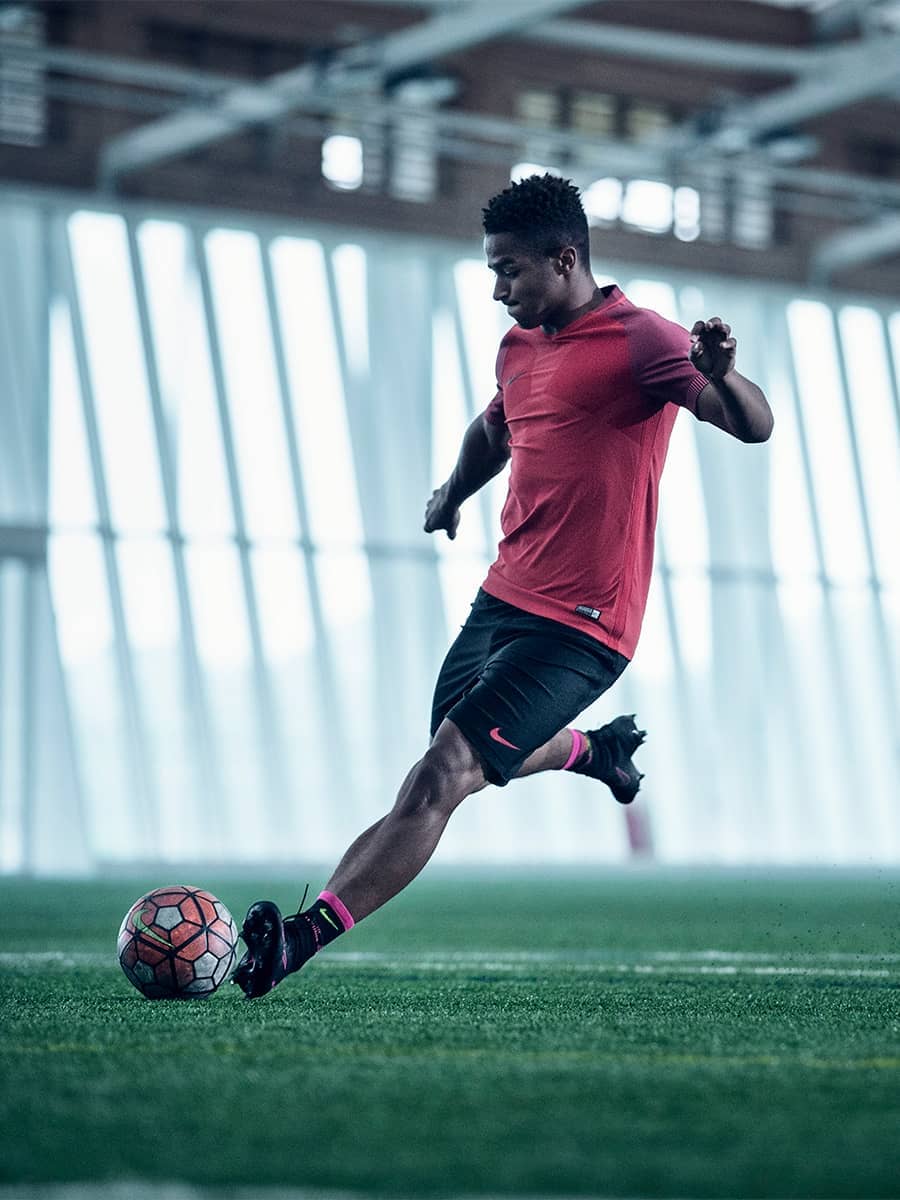
Leg Follow-through
After contact, swing your kicking leg fully through the ball. Bring your foot up and across your body. A strong follow-through adds power and direction to your shot. It also helps maintain balance and prepares you for the next move.
Controlled Pass Methods
Controlled pass methods help players deliver accurate and smooth passes in soccer. They focus on technique and body position to keep the ball on target. Understanding each part of the kick improves passing skills and game play.
Mastering controlled passes means learning the right approach, foot placement, and follow-through. These small details make a big difference in passing accuracy. Let’s explore the key elements of controlled passing.
Approach Steps
Approach the ball with slow, steady steps for balance. Take two or three steps at an angle to the ball. Stay on the balls of your feet to keep ready. This controlled approach helps prepare your body for a smooth pass.
Plant Foot Direction
Place your non-kicking foot beside the ball. Point your toes in the direction you want the ball to go. Keep the foot flat on the ground for stability. Correct foot direction guides the ball’s path accurately.
Contact Area
Use the inside of your foot to strike the ball. This area gives more surface contact and control. Hit the middle of the ball for a clean pass. Avoid using the toe or laces here; they reduce accuracy.
Body Lean Variations
Lean slightly forward over the ball for a low pass. Lean back a little to send the ball higher. Keep your head steady and eyes on the ball. Body lean changes the ball’s height and helps control speed.
Follow-through Direction
Swing your kicking foot in the direction of the pass. Keep the follow-through smooth and controlled. A strong follow-through improves power and accuracy. Finish with your toes pointing toward your target.
Credit: www.nike.com
Key Tips For Effective Kicks
Effective kicking is essential in soccer. Proper technique improves power and accuracy. Focus on key tips to enhance every kick. Small adjustments make a big difference on the field. Practice these tips regularly for better control and confidence.
Keeping Eyes On The Ball
Watch the ball closely from start to finish. Eyes on the ball help with timing and accuracy. Avoid looking up too soon. Keeping focus ensures solid contact and better control. This simple habit builds consistency in your kicks.
Maintaining Strong Ankle
Lock your ankle firmly before striking the ball. A strong ankle stabilizes your foot during contact. Point your toes down to create a solid striking surface. This technique increases power and precision. Weak ankles lead to weak and inaccurate shots.
Completing Full Follow-through
Swing your kicking leg fully after hitting the ball. A complete follow-through adds power and direction. Do not stop your motion abruptly. The follow-through guides the ball toward your target. It also helps prevent injuries by keeping movement smooth.
Practice Drills And Repetitions
Practice is key to mastering effective kicks. Repeat drills focusing on technique and accuracy. Start slow, then increase speed and power. Use cones or targets to improve precision. Consistent practice builds muscle memory and confidence on the field.
Common Mistakes To Avoid
Kicking a soccer ball well takes practice and attention to detail. Many players make simple errors that reduce power and accuracy. Avoiding these common mistakes helps improve your kick quickly. Focus on correct technique and body control for better results.
Incorrect Foot Placement
Placing the foot wrong causes weak or off-target kicks. The non-kicking foot should be beside the ball, pointing toward the target. Striking the ball with the wrong part of the foot leads to poor control. Keep your ankle locked and toes down for a firm hit.
Poor Body Balance
Leaning too far back or forward affects the ball’s flight. Stay balanced by leaning slightly over the ball. Keep your head down and eyes on the ball. Good balance improves power and accuracy in every kick.
Inconsistent Contact
Hitting different parts of the ball causes unpredictable results. Aim to strike the center of the ball with your laces or inside foot. Practice makes contact more consistent. Consistent contact sends the ball where you want.
Short Follow-through
Stopping your leg too soon weakens the kick. Follow through fully by swinging your leg up and across your body. A full follow-through adds power and direction. Don’t hold back; let your leg finish the motion smoothly.
Drills To Improve Kicking Skills
Improving your soccer ball kicking skills takes practice and focus. Drills help build muscle memory and enhance control. Regular exercises increase power, precision, and confidence on the field. Practice these drills consistently for better results and smoother kicks.
Wall Kicking Exercises
Find a sturdy wall and mark a target spot. Kick the ball against the wall using your laces or inside foot. Control the ball as it rebounds and prepare for the next kick. This drill improves timing and strengthens your kicking leg. It also enhances coordination and reaction speed.
Target Practice
Set up cones or markers at different distances. Aim to kick the ball between or at the targets. Focus on accuracy over power to build control. Gradually increase the distance as your skill improves. This drill sharpens your aim and helps with placement during matches.
Power And Accuracy Drills
Combine power and accuracy by kicking the ball toward a goal or target. Use proper form: plant your non-kicking foot firmly and lock your ankle. Strike the ball with your laces for power or inside foot for precision. Repeat with varied distances and angles. This drill balances strength and control in your kicks.
Equipment And Surface Tips
Proper equipment and surface choices impact how you kick a soccer ball. Using the right ball and footwear enhances control and power. Playing on a suitable surface prevents injuries and improves performance. Below are key tips on selecting equipment and surfaces for better kicking.
Choosing The Right Soccer Ball
Pick a soccer ball that fits your age and skill level. Size 3 balls suit young kids, size 4 works for teens, and size 5 is for adults. Check the ball’s weight; lighter balls help beginners kick easier. Ensure the ball is well-inflated to maintain bounce and control. A quality ball with good grip aids precise kicking.
Best Footwear For Kicking
Wear soccer cleats designed for your playing surface. Firm ground cleats work best on natural grass. Turf shoes provide traction on artificial fields. Avoid running shoes; they lack proper grip and support. Choose cleats that fit snugly to improve ball contact and stability. Proper footwear reduces the risk of slips and injuries.
Playing Surface Considerations
Kick on surfaces that match your equipment for best results. Grass fields offer natural cushioning and reduce impact on joints. Artificial turf is faster but harder, so wear turf shoes. Avoid wet or muddy surfaces to prevent slipping. Smooth, even surfaces help control the ball and improve accuracy. Inspect the field before playing to stay safe.
Frequently Asked Questions
What’s The Proper Way To Kick A Soccer Ball?
Plant your non-kicking foot beside the ball, lock your ankle, and strike with your laces or inside foot. Keep eyes on the ball, lean slightly forward, and follow through fully toward your target for power and accuracy.
What Is A Soccer Kick Called?
A soccer kick is commonly called a “shot” or “strike. ” Players use the instep (laces) for power or the inside foot for control. Proper technique involves planting the non-kicking foot beside the ball, locking the ankle, and following through toward the target.
What Do You Call It When You Kick A Soccer Ball Between Someone’s Legs?
Kicking a soccer ball between someone’s legs is called a “nutmeg. ” Players use it to bypass defenders skillfully and gain an advantage.
What Are The 5 Phases Of Kicking A Soccer Ball?
The five phases of kicking a soccer ball are: approach, plant foot placement, ankle lock, ball contact, and follow-through.
Conclusion
Kicking a soccer ball well takes practice and patience. Focus on your foot placement and body balance. Keep your eyes on the ball at all times. Use the right part of your foot for power or control. Remember to follow through with your kicking leg.
Small improvements build better skills over time. Enjoy playing and keep practicing regularly. Your kicks will get stronger and more accurate. Soccer is fun when you feel confident on the field. Keep moving, keep kicking, and have fun!