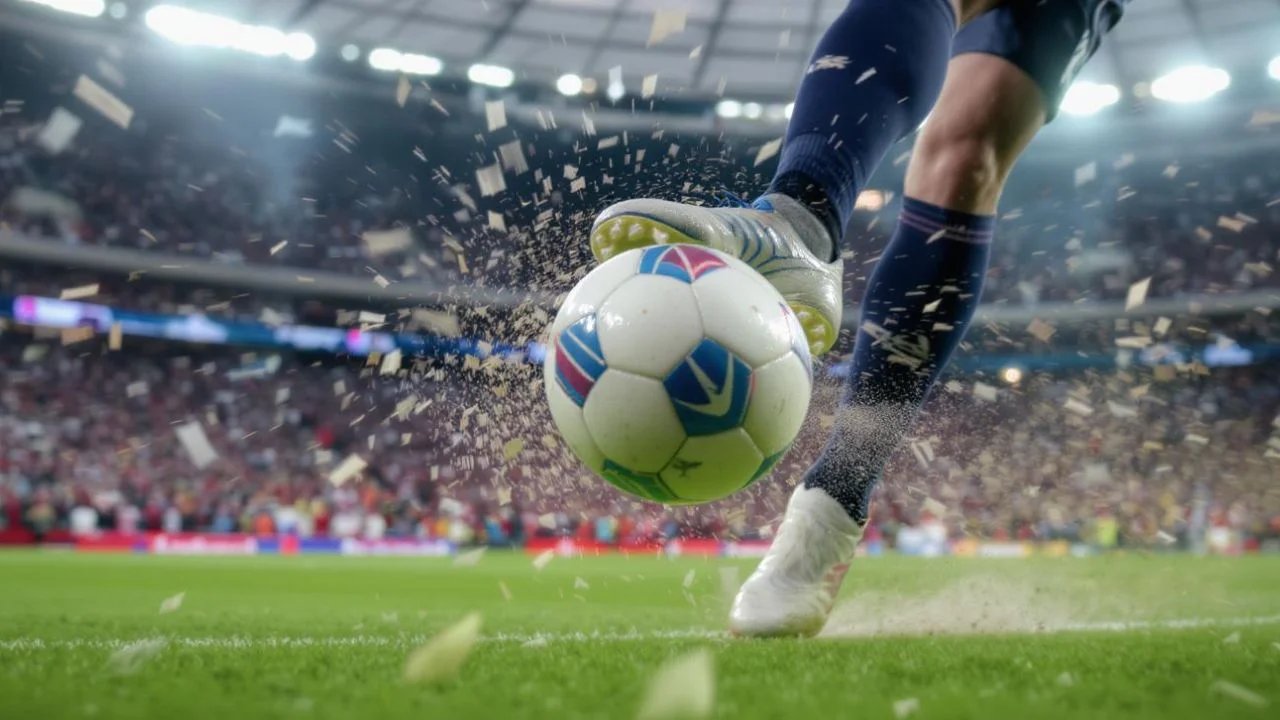
Imagine standing on the sidelines, watching a professional soccer match. The players move with incredible speed and precision, but what truly captivates you is the sheer power behind their kicks.
You might wonder just how fast a professional soccer player can kick a ball. It’s a question that sparks curiosity not just among soccer fans, but anyone intrigued by the limits of human performance. You’ll uncover the astonishing speed these athletes can achieve and learn what makes their kicks so powerful.
Get ready to be amazed by the science and skill behind every kick, and discover how soccer players manage to send the ball flying at speeds that are hard to believe. This isn’t just about numbers; it’s about understanding the mastery that goes into every powerful shot. Are you ready to dive into the world of soccer and uncover the secrets of their incredible kicks? Keep reading to find out more.
Kicking Speed Records
Soccer, a game of skill and speed, often leaves fans in awe with powerful kicks and swift passes. One fascinating aspect is how fast a professional soccer player can kick a ball. Many players have set remarkable kicking speed records over the years. These records showcase strength, technique, and the sheer physics involved in every kick. Let’s dive into some of these astonishing kicking feats that have left spectators speechless.
Kicking Speed Records In Soccer
Throughout soccer history, some kicks have stood out due to their incredible speed. These kicks demonstrate not only the player’s strength but also their precision and technique.
Fastest Recorded Kicks
The fastest kicks are a blend of power and perfect timing. Here are some of the most notable speed records:
- David Beckham: Known for his precision, he once kicked a ball at an impressive 98 mph.
- David Trezeguet: The French striker achieved a remarkable speed of 96 mph.
- Cristiano Ronaldo: Renowned for his powerful shots, Ronaldo has kicked the ball at speeds of 80 mph.
Factors Influencing Kicking Speed
Several factors contribute to the speed of a soccer kick:
- Technique: The right technique can significantly boost kicking speed.
- Strength: Strong leg muscles provide the necessary power.
- Ball Type: The ball’s material and pressure affect its speed.
Comparison Of Kicking Speeds
Let’s compare some of the top players and their kicking speeds:
| Player | Kicking Speed (mph) |
|---|---|
| David Beckham | 98 |
| David Trezeguet | 96 |
| Cristiano Ronaldo | 80 |
Training For High-speed Kicks
Players train hard to achieve these impressive speeds. Here’s how they do it:
- Strength Training: Building leg muscles is essential.
- Technique Drills: Focusing on the correct form and posture.
- Speed Exercises: Improving overall agility and speed.
Understanding these records and the effort behind them adds to the excitement of watching a soccer match. Each kick is a testament to the player’s dedication and skill.
Factors Influencing Speed
Professional soccer players can kick a ball at incredible speeds. But what factors influence this speed? The speed of a soccer ball isn’t just about sheer strength. Several elements play a significant role in determining how fast the ball travels. Understanding these factors can help in appreciating the skill and technique involved in soccer. Let’s delve into the key factors that influence the speed of a soccer ball.
Player Technique
Technique is crucial in determining the speed of a soccer ball. A player’s posture, foot position, and follow-through all contribute to the ball’s velocity. Good technique can make a significant difference.
- Posture:A balanced posture ensures stability and power transfer.
- Foot Position:Striking the ball with the correct part of the foot maximizes speed.
- Follow-Through:A proper follow-through provides additional force and direction.
Even the angle at which the ball is hit can change its speed. A low angle might result in a faster, more direct shot, while a higher angle can slow it down. Players often practice different techniques to find the most effective combination for speed.
Physical Conditioning
The physical conditioning of a player affects the speed of their kick. Strength, flexibility, and endurance are key components.
| Component | Role |
|---|---|
| Strength | Stronger muscles generate more force. |
| Flexibility | Flexibility allows for a greater range of motion. |
| Endurance | Endurance helps maintain performance levels. |
Players often engage in specialized training to enhance these aspects. Strength training helps in building muscle power. Flexibility exercises such as stretching increase the range of motion. Endurance training ensures consistent performance throughout the game. Together, these elements improve the player’s ability to kick the ball faster.
Ball Type And Condition
The type and condition of the ball significantly influence its speed. Not all soccer balls are created equal. Different materials and wear levels can affect performance.
- Material:Leather balls might be heavier, while synthetic ones are lighter.
- Pressure:A properly inflated ball travels faster.
- Wear and Tear:A worn-out ball might not respond well to kicks.
A new ball with a smooth surface usually travels faster. Older balls with wear and tear may have an uneven surface, affecting speed. Players and teams often choose balls that best suit their playing style and conditions. Understanding these factors can help in optimizing the speed and accuracy of a kick.
Related Post: How to Choose US Soccer Ball Size by Age
Comparison With Other Sports
Professional soccer players are known for their incredible skills and speed. One aspect that often amazes fans is how fast they can kick a ball. This ability is not only impressive in soccer but also offers an interesting comparison to other sports. Let’s explore how a soccer player’s kick stacks up against other sports like rugby and American football.
Soccer Vs. Rugby
In soccer, a professional player can kick a ball at speeds up to 80 mph. This speed is essential for scoring goals and making long passes. In rugby, the focus is slightly different. Rugby players kick the ball for distance and precision, not just speed.
- Soccer kicks often reach up to 80 mph.
- Rugby kicks focus on precision and height.
Rugby players aim to get the ball between the posts or as far down the field as possible. Therefore, the average speed of a rugby kick is lower, typically around 50-60 mph. Rugby kicks prioritize control over raw speed.
| Sport | Average Kick Speed (mph) | Focus |
|---|---|---|
| Soccer | Up to 80 | Speed & Distance |
| Rugby | 50-60 | Precision & Height |
While both sports require powerful kicks, the goals differ. Soccer relies on speed to surprise goalkeepers, while rugby values accuracy and strategic placement.
Soccer Vs. American Football
American football also involves impressive kicking, but its style and purpose differ. In soccer, the ball is continuously in play, requiring players to kick quickly and accurately. American football kickers, meanwhile, focus on field goals and kickoffs.
- Soccer kicks are quick and can reach 80 mph.
- Football kicks are strategic, reaching 70 mphor more.
Football kickers aim to send the ball through goalposts or downfield. The speed and height are crucial, but the precision to score points is paramount. A soccer player’s kick speed can outpace that of a football kicker, but football requires specialized skills.
| Sport | Kick Type | Average Kick Speed (mph) |
|---|---|---|
| Soccer | Regular Play | Up to 80 |
| American Football | Field Goal/ Kickoff | 70+ |
In summary, soccer kicks are about speed and accuracy during fast-paced play. American football kicks focus on precision and strategic placement. Both sports have unique demands, highlighting different aspects of a player’s kicking ability.
Training For Speed
Professional soccer players are known for their incredible speed and power on the field. One key aspect of their game is how fast they can kick a ball. Kicking speed is not just about raw power; it’s a skill developed through focused training. To kick a ball at high speeds, players need to undergo specific training regimens that enhance their technique, agility, and strength. Let’s explore how these athletes train for speed, focusing on drills, exercises, and strength training.
Drills And Exercises
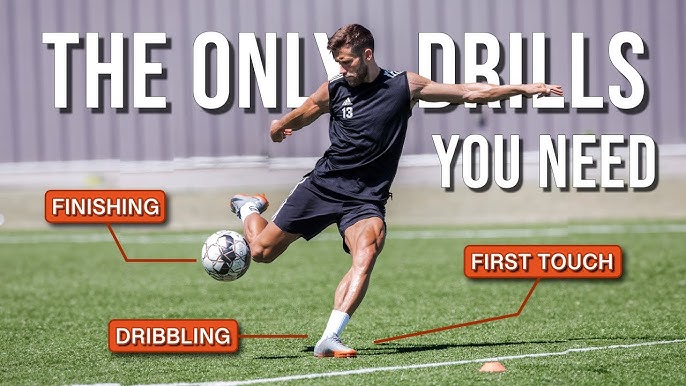
Drills and exercises are crucial for enhancing kicking speed. These activities improve technique and coordination, making every kick more powerful and precise. Here are some common drills:
- Ball Control Drills:These drills focus on mastering ball control, which is essential for executing fast kicks. Practicing with cones or targets helps improve accuracy.
- Agility Ladders:Agility ladders boost foot speed and coordination. They help players move quickly and precisely, which translates to faster kicking.
- Plyometric Exercises:These exercises increase muscle power. Jumping drills or box jumps can enhance explosive power crucial for fast kicks.
- Speed Runs:Short sprints build overall speed and endurance. They are often combined with ball work to simulate game conditions.
A typical training session might include a mix of these drills. Consider this sample schedule:
| Time | Drill | Focus |
|---|---|---|
| 10 min | Warm-up | Prevent injuries |
| 20 min | Ball Control | Accuracy |
| 15 min | Agility Ladders | Foot speed |
| 15 min | Plyometrics | Explosive power |
| 10 min | Speed Runs | Endurance |
Strength Training
Strength training is another key aspect of training for speed. Building muscle strength helps players kick with more power. Here are some strength exercises commonly used:
- Squats:Squats develop leg muscles, which are crucial for powerful kicks. They enhance both strength and stability.
- Lunges:Lunges target the quadriceps and hamstrings. These muscles are vital for the kicking motion.
- Deadlifts:Deadlifts strengthen the entire lower body. They improve core stability, which is important for balance during kicks.
- Core Exercises:A strong core supports all movements. Planks and Russian twists are excellent for core strength.
A balanced strength training routine might look like this:
| Exercise | Sets | Reps |
|---|---|---|
| Squats | 3 | 10-12 |
| Lunges | 3 | 10 per leg |
| Deadlifts | 3 | 8-10 |
| Core Exercises | 3 | 15-20 |
Combining these drills and strength exercises ensures that a player can kick a ball with maximum speed and power. Consistent training and dedication are key to achieving this goal.
Impact Of Speed On Gameplay
Professional soccer players kick the ball with incredible speed and precision. This speed impacts gameplay significantly, influencing both offensive and defensive strategies on the field. A fast kick can lead to quick goals, surprise defenses, and create thrilling moments for fans. Understanding how speed influences the game can offer insights into the strategies employed by players and coaches alike.
Scoring Potential
Speed in kicking enhances scoring potential. A fast kick can catch goalkeepers off guard. It reduces their reaction time, leading to higher chances of scoring.
- Quick Shots:Fast kicks allow players to take advantage of brief openings in defense.
- Long-distance Goals:Powerful kicks can score from afar, surprising opponents.
- Accuracy and Speed:Combining speed with accuracy increases scoring opportunities.
Consider the following table which shows typical speeds:
| Player Type | Average Kick Speed (mph) |
|---|---|
| Professional | 70-80 mph |
| Amateur | 40-60 mph |
Professional players often kick at speeds over 80 mph. This speed makes it difficult for defenders to predict and intercept the ball. Scoring potential increases with training and practice, allowing players to harness speed effectively.
Defensive Strategies
Defenders face unique challenges against fast kicks. Speed demands swift and strategic responses to prevent goals.
Key defensive strategies include:
- Positioning:Anticipating the ball’s trajectory helps defenders position themselves effectively.
- Reaction Time:Quick reflexes are crucial to block or redirect fast kicks.
- Communication:Defenders must communicate well to cover gaps and support teammates.
Fast kicks require defenders to read the game quickly. They must predict player movements and ball direction. Being proactive is essential. This involves assessing the opponent’s skill and adapting to their playing style.
Defenders may also employ tactics like:
- Pressuring the player to reduce their kick speed.
- Using their body to shield and intercept the ball.
Understanding the impact of speed on gameplay allows teams to devise strategies to counteract fast kicks, ensuring a balanced and competitive match.
Notable Players
In the world of soccer, the speed at which a player can kick a ball is a fascinating aspect. Professional players spend years honing their skills, and some have achieved astonishing speeds. Notable players have left their mark with incredible power and precision. Let’s explore some of these exceptional athletes who have demonstrated remarkable kicking prowess over the years.
Top Kickers In History
Throughout soccer history, a few players have stood out for their ability to deliver powerful kicks. These players have not only amazed fans but have also set records.
- Roberto Carlos: Known for his bending free kicks, he once recorded a kick speed of 138 km/h (85.7 mph) in a match against France.
- David Beckham: Famous for his curling free kicks, Beckham’s kicks were known to reach significant speeds, impacting games with crucial goals.
- Hristo Stoichkov: The Bulgarian forward was renowned for his powerful shots, often reaching speeds that left goalkeepers helpless.
These legends have set benchmarks that inspire current players. Their contributions to the game are celebrated and remembered by fans worldwide.
Current Fast Kickers
Today’s soccer scene features players who continue to push the limits of kicking speed. These athletes are admired for their ability to deliver fast and accurate shots.
- Cristiano Ronaldo: Known for his powerful free kicks and long-range shots, Ronaldo’s kicks have been recorded at speeds over 130 km/h (80.7 mph).
- Gareth Bale: The Welsh player is famous for his speed and power, with kicks that often leave goalkeepers with no chance.
- Zlatan Ibrahimović: His imposing presence on the field is complemented by his ability to strike the ball with incredible force.
These current players continue the legacy of powerful kicking, thrilling fans and influencing the next generation of soccer stars.
Credit: www.youtube.com
Frequently Asked Questions
How Fast Can Soccer Players Kick a Ball?
Professional soccer players can kick a ball at speeds exceeding 80 mph. This impressive speed depends on factors like technique, strength, and ball type. The fastest recorded speed is over 130 mph, achieved by Brazilian soccer player Ronny Heberson in 2006.
What Affects Soccer Ball Speed During a Kick?
Ball speed is influenced by the player’s technique, foot strength, and the ball’s type. A player’s form and accuracy also play crucial roles. Environmental conditions, such as wind and pitch surface, can further impact the ball’s speed during a kick.
How is Kick Speed Measured in Soccer?
Kick speed is measured using radar guns or high-speed cameras. These devices capture the ball’s velocity immediately after impact. Soccer analysts and trainers often use this data to improve players’ techniques and optimize performance during matches.
Who Holds the Record for the Fastest Soccer Kick?
Brazilian player Ronny Heberson holds the record for the fastest kick. He achieved a speed of 131 mph in 2006. His powerful free-kick against the Portuguese team, Naval, stunned spectators and remains unmatched in professional soccer history.
Final Words
Professional soccer players kick the ball really fast. Their speed dazzles fans. Precision matters more than power alone. Training and technique enhance their kicking abilities. Soccer demands skill, practice, and dedication. Players work hard to perfect their kicks. Fast kicks can change the game’s momentum.
Soccer remains thrilling because of its dynamic nature. Speed, agility, and strategy drive the sport forward. Enthusiasts admire the skill behind each powerful kick. The excitement of soccer never fades. Players continue to push their limits. A soccer ball’s speed reflects the player’s talent.