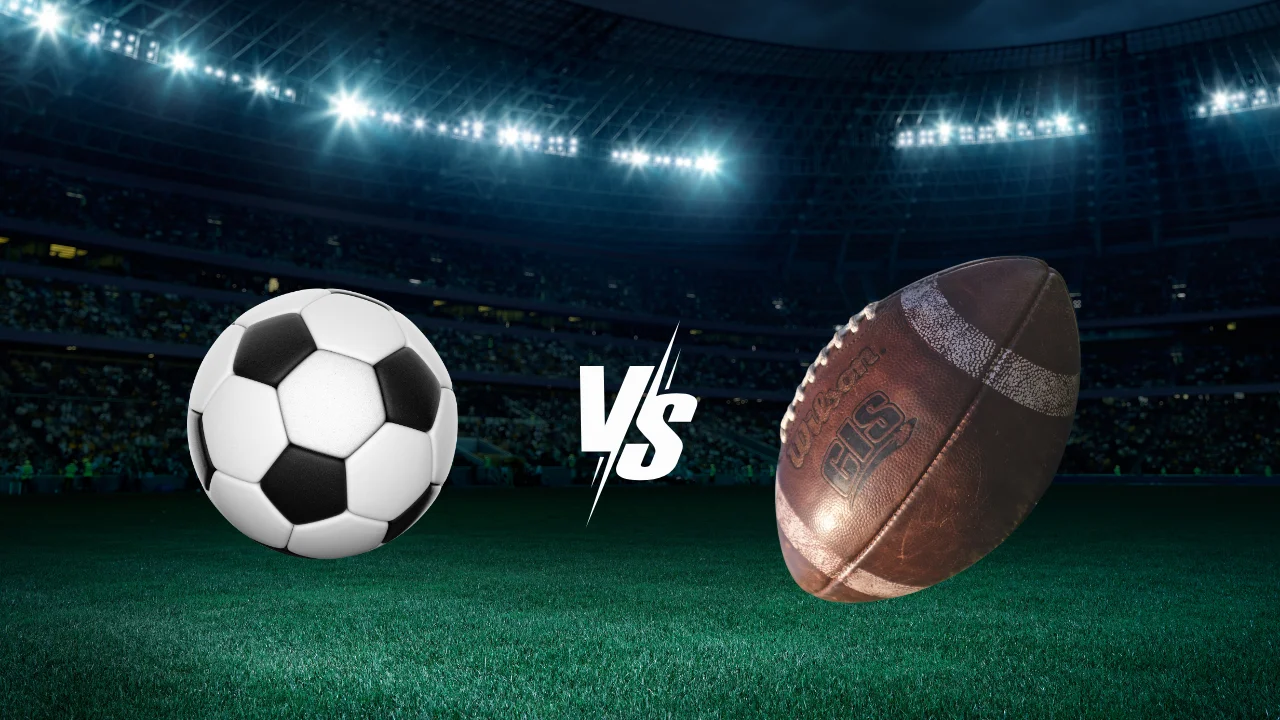
When you watch a soccer game and then switch to rugby, one thing immediately stands out: the balls are very different. You might wonder, why does a soccer ball look so perfectly round while a rugby ball has that unique oval shape?
If you’re curious about how these differences affect the way each game is played, you’re in the right place. Understanding the key contrasts between a soccer ball and a rugby ball can change the way you see both sports—and maybe even improve your own game if you play either one.
Keep reading, because we’re breaking down everything you need to know about these two iconic balls.
Ball Shapes And Designs
The shapes and designs of soccer and rugby balls differ greatly. These differences suit each sport’s unique style and rules. The shape affects how players handle and kick the ball. The design also influences the ball’s flight and control during the game. Understanding these differences helps appreciate each sport better.
Round Soccer Ball
The soccer ball is perfectly round. This shape helps it roll smoothly on the ground. It also flies straight when kicked. The round design allows players to dribble, pass, and shoot with accuracy. Soccer balls have stitched or thermally bonded panels. This creates a smooth and consistent surface for better control.
Oval Rugby Ball
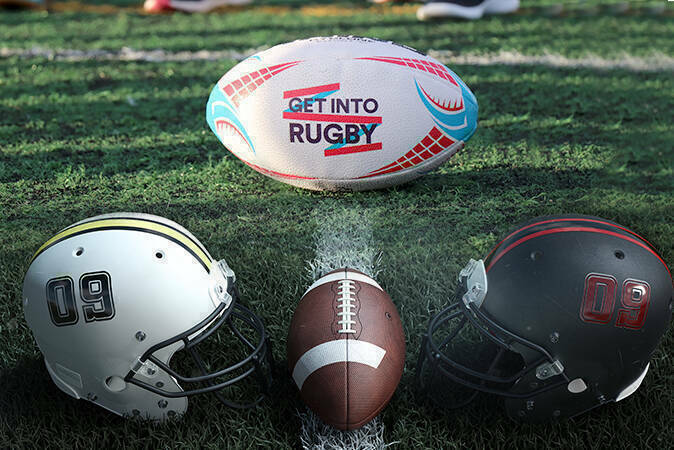
The rugby ball has an oval shape. This shape makes it easier to carry and pass by hand. The oval design also helps with kicking long distances. Its pointed ends reduce air resistance slightly. The shape makes the ball bounce unpredictably on the field. This adds challenge and excitement to the game.
Material Differences
Soccer balls are usually made of synthetic leather. This material is durable and water-resistant. It keeps the ball light and easy to control. Rugby balls use tougher materials to withstand heavy tackles. They often have a textured surface for better grip. The materials support the rough and physical nature of rugby.
Size And Weight Comparison
Understanding the size and weight differences between soccer balls and rugby balls helps explain how each sport is played. These differences affect handling, kicking, and overall gameplay. Both balls serve unique purposes and are designed to fit the needs of their sports.
Dimensions Of Soccer Balls
Soccer balls are round and have a standard size. The official size 5 ball has a circumference of 27 to 28 inches. It weighs between 14 to 16 ounces. This size allows for precise control with feet and smooth rolling on the field. The ball’s weight is light enough for quick movements and accurate passes.
Dimensions Of Rugby Balls
Rugby balls are oval-shaped and larger than soccer balls. They measure about 28 to 30 inches in length and 58 to 62 inches in circumference at the widest point. Rugby balls weigh between 14 to 16 ounces, similar to soccer balls but feel heavier due to their shape. The oval design helps with throwing and catching during fast gameplay.
Impact On Gameplay
The round soccer ball rolls smoothly and is easy to kick in different directions. Players use their feet to dribble, pass, and shoot. The ball’s lighter feel helps in quick footwork and precise control.
Rugby balls require players to handle the ball by hand. The oval shape makes it easier to grip and throw long distances. It also changes how the ball bounces, making the game more unpredictable. Weight and shape influence passing speed and player tactics on the field.
Aerodynamics And Flight
The shape and design of soccer balls and rugby balls greatly affect how they move through the air. Their aerodynamics and flight patterns differ because of these unique features. Understanding these differences helps explain how each ball behaves during play. Aerodynamics impacts speed, accuracy, and control for players on the field.
Ball Drag And Air Resistance
Soccer balls are round and smooth. This shape reduces drag and allows the ball to cut through the air easily. Air flows evenly around the ball, creating less resistance. Rugby balls have an oval shape with pointed ends. This shape causes more drag as the ball moves. Air flows unevenly, creating turbulence. The flat ends increase air resistance compared to the soccer ball.
Passing And Kicking Dynamics
Soccer balls roll smoothly on the ground and fly straight in the air. Players can curve them by applying spin. The round shape helps with consistent passing and shooting. Rugby balls are designed for both throwing and kicking. Their shape makes it easier to throw long spirals. Kicks can be powerful but less predictable in flight. The oval shape affects how the ball spins and moves in the air.
Effect On Ball Control
Controlling a soccer ball relies on its steady flight and bounce. The round shape makes it easier to predict where the ball will go. Rugby balls are harder to control due to their shape and flight pattern. Players must adjust to the ball’s unpredictable bounce. Handling skills are key in rugby, while foot control is crucial in soccer.
Sport-specific Uses
Each ball serves a unique purpose in its sport. The design suits the game’s style and rules. Understanding these uses helps appreciate both sports better.
Both balls differ greatly in shape, size, and handling, tailored to their specific games. These differences influence how players control and move the ball during play.
Soccer Ball In Football Matches
The soccer ball is perfectly round. It rolls smoothly on the grass. Players kick it with precision to pass or score goals. Its size allows easy control with feet. The ball’s weight is light to enable fast movement. It must bounce evenly for accurate dribbling and passing. Soccer matches demand a ball that responds well to foot strikes.
Rugby Ball In Rugby Games
The rugby ball is oval-shaped and larger. Players carry it by hand during runs. It is designed for throwing and catching over long distances. The shape helps grip, even in wet conditions. The ball can be kicked but often passed sideways or backward. Rugby’s physical contact requires a ball that withstands rough handling. The unique shape aids in complex game strategies.
Handling And Movement
Soccer balls move smoothly on the ground and in the air. Players use their feet, chest, or head for control. The round shape offers consistent bounce and roll. Rugby balls move differently due to their shape. They travel in spirals when thrown. Players catch and pass with hands, requiring a strong grip. The ball’s flight is less predictable but suited to rugby’s fast pace.
Durability And Surface Texture
The durability and surface texture of soccer and rugby balls greatly affect their use and performance. These aspects determine how well the balls hold up during play and how players interact with them. Both types of balls are designed for different movements and impacts, so their materials and surfaces vary. Understanding these differences helps players choose the right ball for their sport and conditions.
Material Toughness
Soccer balls usually have a synthetic leather outer layer. This material is lightweight but strong enough for kicking and passing. The panels are stitched or thermally bonded for durability. Rugby balls use tougher, thicker rubber or synthetic materials. They must withstand heavy tackles and rough handling. The stronger material helps rugby balls resist cuts and abrasions on rough fields.
Grip And Touch
Soccer balls have a smoother surface with slight texture for control. This helps players dribble, pass, and shoot accurately. The texture also aids in ball spin and flight. Rugby balls feature a more textured and dimpled surface. This design improves grip for catching and carrying. It allows players to hold the ball tightly, even in wet or muddy conditions.
Performance In Various Conditions
Soccer balls perform best on grass or artificial turf. Their smooth surface can become slippery in rain but still allows good ball control. Rugby balls excel in all weather conditions. Their textured surface maintains grip on wet grass and mud. The tough material keeps the ball stable and intact during heavy contact and rough play.
Credit: www.amos-business-school.eu
Historical Evolution
The history of soccer balls and rugby balls shows how each sport shaped its unique ball design. Both balls evolved from simple beginnings into the specialized shapes we know today. This evolution reflects the needs and rules of soccer and rugby.
Understanding these origins helps us appreciate why the balls look and feel so different now.
Origins Of Soccer Balls
Early soccer balls were made from inflated animal bladders. These bladders were often covered with leather for durability. The round shape helped players kick and control the ball easily. Over time, craftsmen improved the design to make balls more consistent in size and weight. Soccer balls became lighter and more durable, allowing faster and more accurate play.
Development Of Rugby Balls
Rugby balls also started with animal bladders but were more oval-shaped. This shape suited the style of rugby, which involves carrying and passing the ball. The oval design made it easier to hold and throw. Early rugby balls were larger and less uniform than today’s. With the sport’s growth, manufacturers refined the shape for better grip and flight.
Technological Advances
Modern soccer balls use synthetic materials for strength and water resistance. Panels are stitched or thermally bonded to keep a perfect round shape. These advances help the ball fly straighter and last longer on the field. Rugby balls now use rubberized surfaces and reinforced stitching. These features improve grip in wet and muddy conditions. Technology continues to improve ball performance for both sports.
Physical Demands Of Each Sport
The physical demands of soccer and rugby differ greatly due to the unique ball types. Each sport challenges players’ strength, speed, and coordination in distinct ways. Understanding these demands helps explain how the ball influences player performance and training routines.
Impact Of Ball Type On Player Performance
The round soccer ball allows precise foot control and quick passing. Players rely on dribbling and accurate shooting for success. The rugby ball’s oval shape requires different handling skills. Players catch and pass with their hands, focusing on strength and grip. The shape affects how the ball moves, changing players’ timing and tactics.
Injury Risks Related To Ball Handling
Soccer players face risks like ankle twists and knee injuries from rapid footwork. The ball’s bounce and roll demand agility and balance. Rugby players encounter higher impact injuries due to tackles and ball carrying. Handling the heavy, oval ball under pressure increases wrist and shoulder strain. Protective gear and technique reduce injury chances in both sports.
Training Differences
Soccer training emphasizes foot skills, speed, and endurance. Drills focus on ball control, passing, and shooting accuracy. Rugby training builds upper body strength and tackling ability. Players practice catching, passing, and running with the ball under pressure. Conditioning in rugby includes short bursts of high-intensity effort, while soccer relies on continuous stamina.

Credit: www.dimensions.com
Popularity And Cultural Impact
The popularity and cultural impact of soccer and rugby differ greatly across the world. Both sports have shaped societies and created passionate fan bases. Their balls, iconic in shape and use, symbolize more than just games. They carry stories of tradition, unity, and competition.
Global Reach Of Soccer
Soccer is the world’s most popular sport. It is played and watched on every continent. The soccer ball is a universal symbol of the sport. Countries from Brazil to Japan embrace soccer deeply. Major events like the FIFA World Cup attract billions of viewers. Soccer’s simplicity makes it easy to play anywhere. This global reach boosts the ball’s recognition worldwide.
Rugby’s Regional Strongholds
Rugby has a strong presence in certain regions. Countries like New Zealand, South Africa, and England cherish rugby deeply. The rugby ball’s unique oval shape reflects the sport’s distinct style. Rugby culture blends physicality with respect and teamwork. While less widespread than soccer, rugby’s passion runs very deep in its strongholds. Local rivalries and traditions keep the sport alive.
Fan Engagement And Traditions
Soccer fans celebrate with chants, songs, and colorful displays. The soccer ball often becomes a symbol of pride during matches. Rugby fans enjoy unique rituals like singing anthems and performing war dances. The rugby ball is central in ceremonies and trophies. Both sports foster strong communities. Fans pass down stories and customs through generations.
Choosing The Right Ball
Picking the right ball makes a big difference in play and practice. Soccer and rugby balls serve different needs. Understanding these needs helps players improve skills and enjoy the game more. This section breaks down important factors to consider when choosing between a soccer ball and a rugby ball.
Purpose And Skill Level
Identify your main use for the ball. A soccer ball suits kicking and dribbling drills. A rugby ball works best for passing and carrying practice. Beginners might want a softer, lighter ball for easier handling. Advanced players often choose balls matching official size and weight.
Indoor Vs Outdoor Options
Indoor balls usually have a softer cover to protect floors. Outdoor balls need durability against rough surfaces and weather. Soccer balls for indoor use often have less bounce. Rugby balls for indoors may be smaller or made with special materials. Choose the ball type based on where you play most.
Price And Brand Considerations
Prices vary by quality and brand reputation. Well-known brands offer tested designs and lasting materials. Budget balls work fine for casual play and training. Investing in a quality ball pays off in better performance and durability. Check customer reviews and product details before buying.

Credit: cardiffstudentmedia.co.uk
Frequently Asked Questions
What Is The Difference Between A Rugby Ball And A Soccer Ball?
A rugby ball is oval with flat ends for easier passing and kicking. A soccer ball is round for consistent rolling and kicking on the ground. Rugby balls are larger and heavier, while soccer balls are smaller and lighter for fast, smooth play.
Why Are Rugby Balls Oval-shaped?
Rugby balls are oval-shaped to improve grip, handling, and easier passing during fast gameplay. The shape also aids kicking accuracy.
What Is The Difference Between Rugby And Soccer?
Rugby uses an oval ball, allows carrying and tackling, and has no offside rule. Soccer uses a round ball, forbids hand use, and focuses on kicking and goalkeeping.
Which Is Harder, Soccer Or Rugby?
Rugby is generally harder due to intense physical contact and endurance demands. Soccer requires more agility and skill. Both challenge different abilities.
Conclusion
Soccer balls and rugby balls serve different purposes in sport. The soccer ball is round, designed for kicking and rolling smoothly on the ground. Rugby balls are oval, made for carrying, passing, and kicking in the air. Each ball’s shape affects how players handle and move it during play.
Choosing the right ball depends on the game you want to play. Understanding these differences helps appreciate both sports better. Whether kicking or passing, the ball’s design is key to the game’s style and rules.