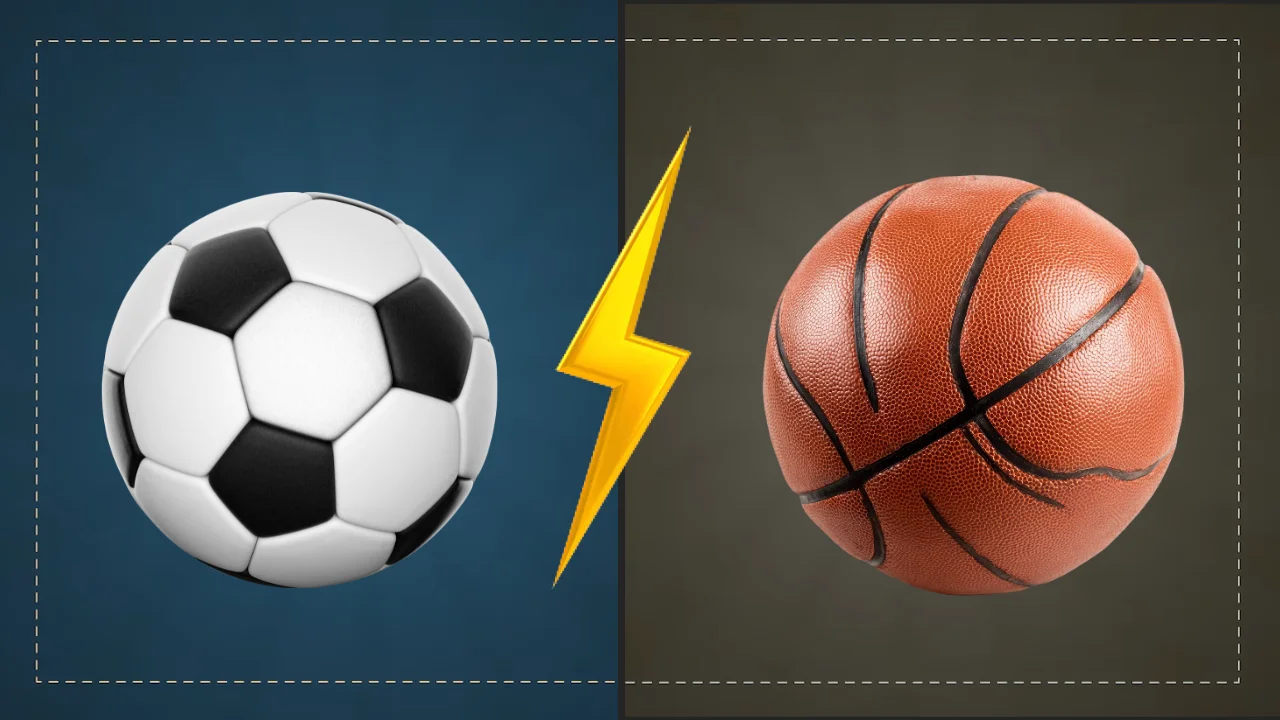
When you pick up a soccer ball and then a basketball, you might notice right away that they feel quite different. But have you ever wondered exactly how their weights compare?
Understanding the weight difference between a soccer ball and a basketball can change the way you play, train, and even choose the right ball for your game. Whether you’re a casual player or someone looking to improve your skills, knowing these details can give you an edge.
You’ll discover the key differences in weight, why they matter, and how they affect your performance on the field or court. Keep reading to get the full scoop and make smarter choices for your sport!
Soccer Ball vs. Basketball Size
Soccer balls and basketballs differ greatly in size and shape. These differences affect how players handle and control the balls. Understanding these contrasts helps appreciate each sport’s unique demands.
Diameter Comparison
Soccer balls usually measure about 22 centimeters in diameter. Basketballs are larger, with a diameter close to 24 centimeters. This size gap makes basketballs easier to grip with one hand. Soccer balls are smaller to allow better foot control during play.
Surface Texture
Soccer balls have a smooth surface with stitched panels. This design helps with precise kicking and accurate ball flight. Basketballs feature a pebbled texture for improved grip. The rough surface allows players to hold and dribble the ball confidently on the court.
Weight Ranges
The weight of sports balls plays a key role in how each game feels and is played. Soccer balls and basketballs differ a lot in weight. These differences affect control, speed, and the way players handle the ball.
Understanding the official weight ranges of these balls helps players choose the right equipment. It also helps fans appreciate the physical demands of each sport.
Official Soccer Ball Weight
The official soccer ball weighs between 410 and 450 grams. This range is set by the sport’s main organization, FIFA. The weight allows players to kick, pass, and control the ball effectively during matches.
Soccer balls are designed to be light enough for quick movements yet heavy enough to hold their shape. The balance of weight and size makes soccer an exciting and fast-paced sport.
Official Basketball Weight
The official basketball weighs about 600 to 650 grams for men’s games. Women’s basketballs weigh slightly less, around 510 to 550 grams. The weight supports dribbling, shooting, and passing skills.
Basketballs are heavier and larger than soccer balls. This weight helps players maintain grip and control during fast play on the court. The design suits the game’s physical nature and style.
Material And Density
The material and density of sports balls directly affect their weight and performance. Soccer balls and basketballs differ in both aspects. Understanding these differences helps explain why each ball feels distinct during play.
Soccer Ball Construction
Soccer balls have an outer layer made of synthetic leather or polyurethane. Inside, multiple layers of fabric provide structure and durability. The bladder, usually made of latex or butyl, holds the air. These materials create a firm but flexible ball suited for kicking and control.
Basketball Construction
Basketballs use a rubber or synthetic leather outer surface for grip. Inside, a large rubber bladder holds the air. The layers between the outer surface and bladder add strength and bounce. The construction focuses on durability and consistent bounce on hard courts.
Density Comparison
Density measures how much mass a ball has in a given volume. Soccer balls tend to be denser due to tighter layers and heavier materials. Basketballs are larger but made with lighter materials, resulting in lower density. This difference affects how each ball moves and feels during play.
Impact On Gameplay
The difference in weight between a soccer ball and a basketball affects how players interact with each ball. Weight influences the way the ball moves, reacts, and feels during play. Understanding these effects helps players adjust their techniques and improve their skills.
Handling And Control
A soccer ball is lighter and less dense than a basketball. This makes it easier to kick, pass, and dribble with feet. Players can quickly change direction and control the ball on the ground. A basketball is heavier and larger. It requires more hand strength for dribbling and passing. The weight demands better grip and wrist control for accurate shots and moves.
Bounce And Flight
The weight of a basketball gives it a strong, predictable bounce on hard surfaces. It stays stable in flight, which helps players aim shots. A soccer ball is lighter and less bouncy. It moves faster through the air but can be affected by wind. The lighter weight allows for curved passes and shots but requires skill to control its flight path.
Player Interaction
Soccer players use their feet, chest, and head to control the ball. The lighter weight reduces the risk of injury when striking the ball with different body parts. Basketball players rely on their hands to handle the heavier ball. The weight adds force to passes and shots but needs careful control to avoid turnovers. Overall, the weight differences shape how players train and play each sport.
Weight Variations By Level
Weight variations in soccer and basketball balls differ by playing level. Balls are designed to match players’ strength and skills. This ensures comfort and proper control during play. Both sports adjust ball weight for youth and adults. Gender can also influence ball specifications. These factors help optimize performance and safety.
Youth Vs Adult Balls
Youth soccer balls weigh less than adult balls. For example, a size 3 ball for kids weighs about 11-12 ounces. Adult soccer balls, size 5, weigh around 14-16 ounces. Basketballs follow a similar pattern. Youth basketballs usually weigh about 20 ounces. Adult basketballs are heavier, about 22 ounces or more. Lighter balls help young players develop skills easily. Heavier balls suit adults’ stronger grip and power.
Gender Differences
Gender differences affect ball weight in some sports. Women’s basketballs are slightly smaller and lighter than men’s balls. Women’s basketballs weigh around 20 ounces. Men’s basketballs weigh about 22 ounces. Soccer balls do not have distinct weights for genders. Both men and women use the same size 5 soccer ball. The main focus is on comfort and control for all players.

Credit: blog.networldsports.co.uk
Common Misconceptions
Many people mix up the weight and feel of soccer balls and basketballs. This confusion leads to wrong ideas about which ball is heavier or lighter. Understanding these misconceptions helps clear up the facts. It also helps players and fans appreciate each sport’s equipment better.
Is Basketball Always Heavier?
People often think basketballs are always heavier than soccer balls. This is not always true. Official basketballs usually weigh between 20 to 22 ounces. Soccer balls weigh about 14 to 16 ounces. But the difference is not huge. Some soccer balls, like those made for training, can weigh more. The feel of the ball also changes with air pressure and material. So weight alone does not decide how heavy a ball feels.
Density Vs Weight Confusion
Weight is the force due to gravity on an object. Density is how tightly packed the material inside is. Soccer balls are often denser than basketballs. This means the material inside a soccer ball is packed more tightly. Even if soccer balls weigh less, their density can make them feel solid. Basketballs may feel lighter because they have more air inside. This difference causes confusion between weight and density.
Weight Comparison With Other Sports Balls
Understanding the weight of sports balls helps compare their use and handling. Weight affects control, speed, and the way players interact with the ball in different sports. Comparing soccer balls and basketballs to other sports balls reveals interesting differences and similarities. This section explores how various balls stack up in weight.
Heaviest Sports Balls
The shot put is one of the heaviest sports balls, used in track and field events. It weighs between 7.26 kg (16 pounds) for men and 4 kg (8.8 pounds) for women. Bowling balls also rank high in weight, typically between 6 to 7 kg (13 to 16 pounds).
Medicine balls or slam balls used for fitness can weigh from 2 kg up to 11 kg or more. Rugby balls are lighter but still heavier than soccer balls, usually around 400 to 460 grams.
Lightest Sports Balls
Tennis balls are among the lightest, weighing about 57 grams. Table tennis balls weigh even less, around 2.7 grams, making them very light and easy to control.
Compared to these, a standard soccer ball weighs between 410 to 450 grams, and a basketball weighs about 600 to 650 grams. This places soccer balls and basketballs in a medium weight range among sports balls.

Credit: www.researchgate.net
Choosing The Right Ball
Selecting the correct ball is key for better performance and safety. Each sport requires a ball with specific features. Weight plays a crucial role in how the ball handles and moves.
Choosing the right ball depends on understanding the differences between soccer balls and basketballs. This knowledge helps players pick the best ball for their needs.
Based On Sport And Skill Level
Soccer balls and basketballs serve different sports with unique demands. Soccer players use a lighter ball designed for kicking and long runs. Basketball players need a heavier ball for dribbling and shooting. Beginners should choose balls that match their skill level. Lighter balls help new players control movements better. Advanced players may prefer official weight balls for real-game practice.
Importance Of Weight In Selection
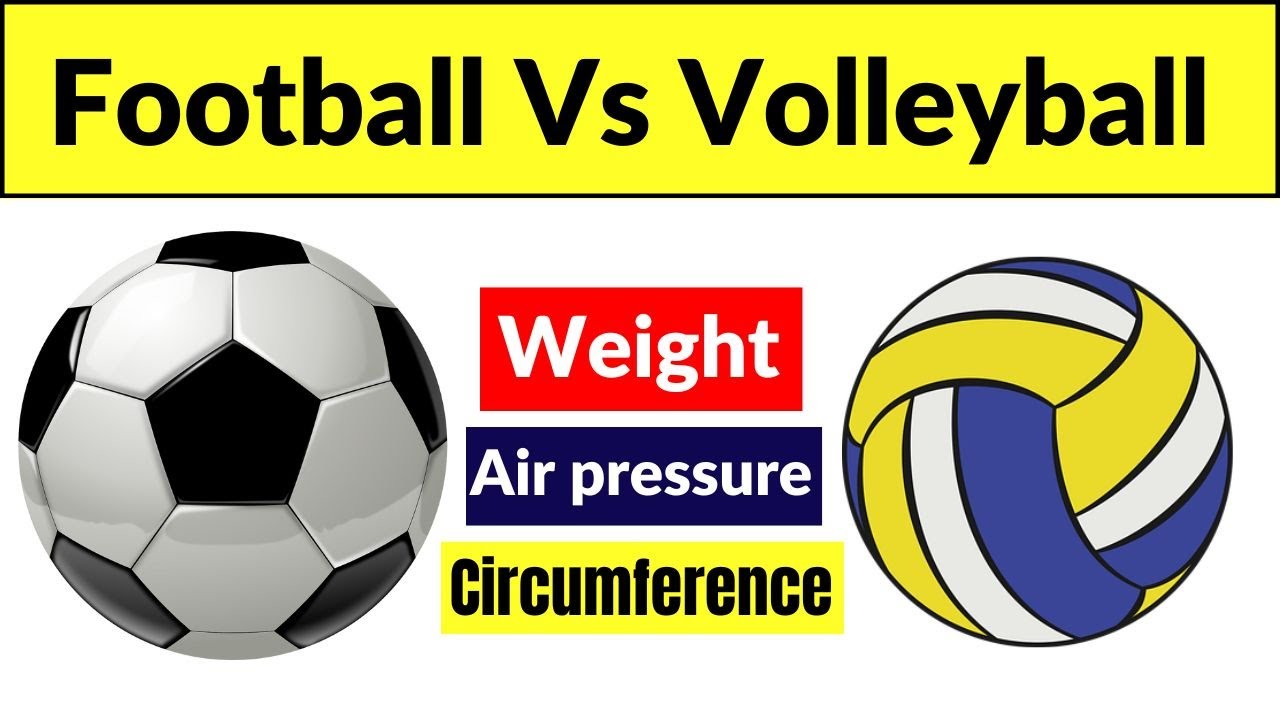
Weight affects how the ball moves and feels during play. A heavier ball requires more strength to control. A lighter ball allows quicker reactions and easier handling. Using the wrong weight can cause discomfort or injury. Selecting the right weight improves accuracy and confidence. Always check the official weight standards for your sport before buying a ball.
Credit: noamns.com
Frequently Asked Questions
Is Basketball Heavier Than Soccer Ball?
A standard basketball weighs about 22 ounces, while a soccer ball weighs around 14-16 ounces. Thus, basketballs are heavier.
Which Sport Has The Heaviest Ball?
The sport with the heaviest ball is shot put. Its ball weighs around 7. 26 kilograms (16 pounds). This is heavier than balls in bowling, rugby, or basketball. Shot put demands strength to throw this heavy ball for distance.
How Much Does A Soccer Ball Weigh?
A standard soccer ball weighs between 410 and 450 grams (14 to 16 ounces). This weight suits official matches and training.
Is A Soccer Ball More Dense Than A Basketball?
A soccer ball is generally denser than a basketball due to its smaller size and similar weight. Density depends on specific ball models.
Conclusion
Soccer balls and basketballs differ mainly in weight and size. Basketballs are larger and usually heavier than soccer balls. Soccer balls feel denser because of their construction. Understanding these differences helps players choose the right ball for each sport. Each ball suits its game’s unique demands.
Knowing the weight difference improves play and safety. Both balls are essential in their sports. Players can enjoy the game more by knowing these facts.