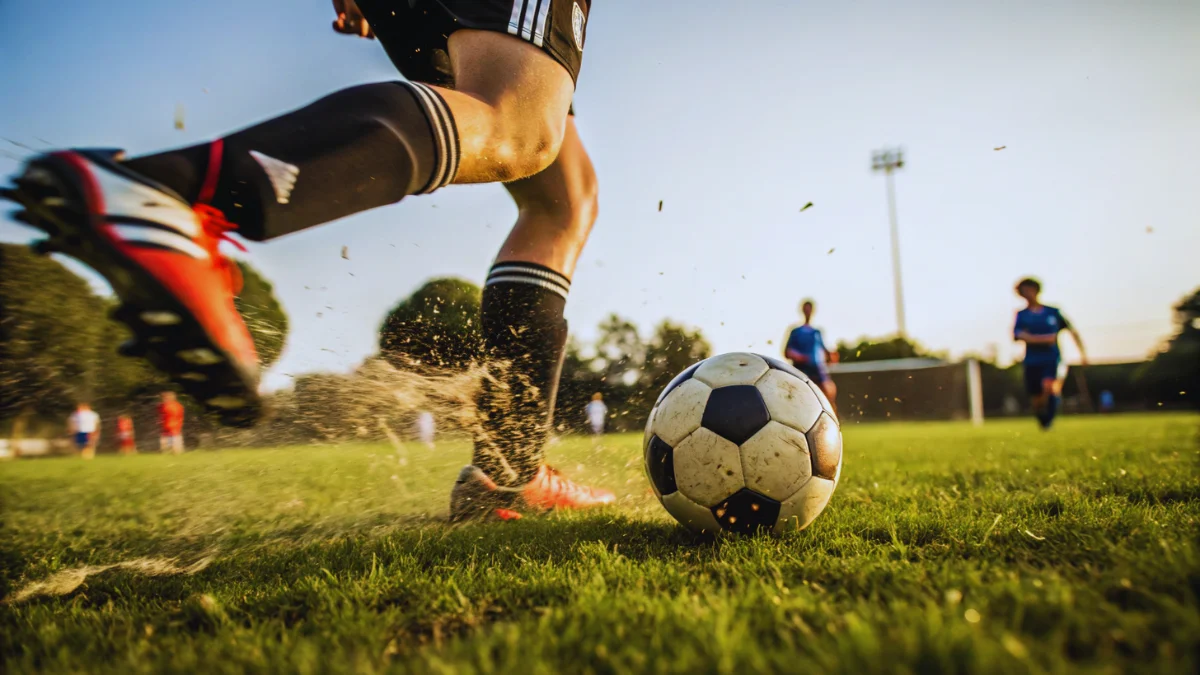
A soccer ball hitting your ankle can be incredibly painful. It happens more often than you might think.
Imagine running towards the goal, adrenaline pumping, and then—bam!—a sharp pain shoots up your ankle. This common scenario can bring your game to a grinding halt. Understanding why this happens and how to manage it is crucial for every player.
Whether you’re a beginner or a seasoned pro, this guide will help you navigate the throbbing aftermath of a soccer ball striking your ankle. We’ll explore why it hurts so much, how to treat it, and ways to prevent it. So, lace up your cleats and let’s dive in!
Impact of The Ball
Playing soccer can be thrilling, but sometimes a soccer ball hits your ankle after a shot. This can cause instant pain and concern. Understanding the impact of the ball on your ankle can help you take better care of yourself and improve player safety. This post delves into the impact force and injury risks associated with such hits.
Force of The Hit
When a soccer ball hits your ankle, the impact force can be significant. The force depends on the ball’s speed and the shot technique used. A powerful kick can send the ball flying at high speeds, making the impact more severe.
Several factors influence the force of the hit:
- Ball speed
- Angle of impact
- Type of soccer shoes worn
- Player’s position and stance
To better understand the impact force, let’s look at some numbers:
| Shot Speed (mph) | Impact Force (Newton) |
|---|---|
| 30 | 450 |
| 50 | 750 |
| 70 | 1050 |
As seen in the table, faster shots result in higher impact forces. This makes it crucial for players to have proper soccer training to withstand such impacts. Players should practice their shot technique to reduce the risk of ankle pain and injury.
Injury Risks
Getting hit by a soccer ball on the ankle can lead to various sports injuries. The most common injury is an ankle sprain. This happens when the ligaments around the ankle stretch or tear due to the impact force.
Other potential injuries include:
- Bruising
- Swelling
- Fractures
- Tendon injuries
To minimize injury risks, players should focus on player safety measures. This includes wearing proper footwear, using ankle supports, and strengthening the ankle through targeted exercises. Regular soccer training can also improve a player’s ability to handle unexpected impacts.
Here are some tips for preventing soccer injury:
- Warm up before playing
- Use correct shot technique
- Wear protective gear
- Strengthen ankle muscles
- Stay aware of the ball trajectory
By taking these precautions, players can reduce the likelihood of experiencing severe ankle pain and injuries. Keeping these tips in mind can make the game safer and more enjoyable for everyone.
Anatomy of The Ankle
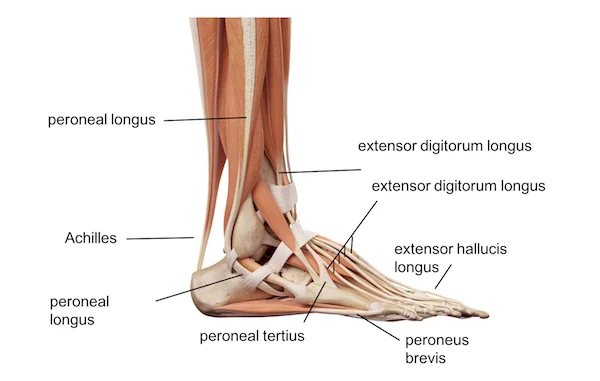
Every soccer player knows the pain of a soccer ball hitting their ankle after a shot. The impact can be intense and leave you hobbling off the field. Understanding the anatomy of the ankle can help you appreciate why this injury hurts so much and what you can do to protect yourself. The ankle is a complex joint that plays a crucial role in mobility and stability. Let’s dive into the key components of the ankle and how they contribute to its function.
Bones and Joints
The ankle joint is made up of three main bones: the tibia, fibula, and talus. These bones work together to allow movement and support the body’s weight. The tibia and fibula are the long bones of the lower leg, while the talus is a small bone that sits between them and the heel bone.
The ankle joint is a hinge joint, which means it allows for up-and-down movement of the foot. This joint is crucial for walking, running, and jumping.
Here is a quick look at the bones and joints involved in the ankle:
| Bone | Function |
|---|---|
| Tibia | Main weight-bearing bone of the leg |
| Fibula | Stabilizes the ankle and supports muscles |
| Talus | Transfers weight and allows for movement |
The joints in the ankle are surrounded by cartilage, which cushions the bones and allows for smooth movement. Ligaments hold the bones together and provide stability. An impact injury, like a soccer ball hitting your ankle, can cause damage to these ligaments and lead to ankle pain and joint health issues.
Muscles and Ligaments
Muscles and ligaments are essential for the movement and stability of the ankle. Several muscles control the movement of the ankle and foot. The primary muscles include the gastrocnemius, soleus, and tibialis anterior. These muscles allow you to point and flex your foot, which is vital for soccer techniques.
Ligaments are strong, flexible tissues that connect bones and provide stability. The main ligaments in the ankle are the anterior talofibular ligament, calcaneofibular ligament, and posterior talofibular ligament. These ligaments prevent excessive movement and protect the ankle from injury.
Here’s a breakdown of the key muscles and ligaments:
- Gastrocnemius: Helps in pushing the foot down
- Soleus: Works with the gastrocnemius for movements
- Tibialis Anterior: Allows for lifting the foot
- Anterior Talofibular Ligament: Prevents the foot from sliding forward
- Calcaneofibular Ligament: Provides lateral stability
- Posterior Talofibular Ligament: Prevents backward movement of the foot
An impact injury from a soccer ball can cause muscle strain or ligament damage. This leads to pain and affects mobility. Recovery time varies depending on the severity of the injury. Using proper soccer techniques and wearing supportive footwear can help prevent such injuries.
Understanding the foot anatomy and the role of muscles and ligaments can aid in better handling sports injuries. It also highlights the importance of joint health in sports activities.
Common Injuries
Getting hit in the ankle by a soccer ball after a powerful shot can lead to various injuries. These injuries can range from mild discomfort to severe damage that needs medical attention. Understanding the common injuries that can result from such impacts can help in better managing and preventing them.
Sprains and Strains
Sprains and strains are common injuries in soccer. An impact injury from a soccer ball hitting your ankle can easily result in these. They occur when the ligaments or muscles around the ankle stretch or tear. Here are some key points to understand:
- Ankle Sprain: This happens when the ligaments that support the ankle stretch beyond their limits or tear.
- Symptoms: Pain, swelling, bruising, and difficulty walking.
- Recovery Time: Mild sprains may heal in a few days, while severe ones can take weeks or months.
Proper management and treatment are crucial for a speedy recovery. Here are some tips:
- Rest and avoid putting weight on the injured ankle.
- Use ice packs to reduce swelling and pain.
- Compress the ankle with an elastic bandage.
- Elevate the ankle above the heart level to minimize swelling.
- Consult a doctor if the pain persists or worsens.
Using appropriate soccer equipment like ankle braces can help prevent these injuries. Strengthening exercises for the foot and ankle can also improve stability and reduce the risk of sprains and strains.
Fractures
Fractures are more serious than sprains and strains. A strong impact from a soccer ball can sometimes cause a bone in the ankle to break. Here are some important details:
- Types of Fractures: Stress fractures, avulsion fractures, and complete fractures.
- Symptoms: Severe pain, swelling, bruising, and inability to move the ankle.
- Diagnosis: X-rays or MRI scans are usually required to confirm a fracture.
Immediate medical attention is necessary for fractures. Here are the steps to take:
- Immobilize the ankle using a splint or brace.
- Apply ice to reduce swelling.
- Avoid putting weight on the injured foot.
- Seek medical care for a proper diagnosis and treatment plan.
Recovery time for fractures varies based on the severity. It can range from several weeks to a few months. Adhering to the treatment plan and attending follow-up appointments are essential for proper healing. Ensuring soccer safety by wearing protective gear and performing regular conditioning exercises can help minimize the risk of such athletic injuries.
Credit: www.gearssports.com
Symptoms To Watch
When a soccer ball hits your ankle after a shot, it can be more than just a minor inconvenience. Understanding the symptoms to watch is crucial for proper care and speedy recovery. Knowing what to look for can help you determine whether you need professional medical attention or simple home remedies.
Pain Levels
Ankle pain is the first sign of a post-shot injury. The intensity of the pain can vary based on the force of the impact and your ankle’s condition. Here are some pain levels to consider:
- Mild Pain: This usually feels like a slight discomfort. It may hurt a bit when you walk but doesn’t restrict movement. Mild pain often resolves itself with rest and ice.
- Moderate Pain: This pain is more noticeable and can limit your ability to walk or run. You might experience throbbing or sharp pain. Over-the-counter pain relievers and resting the ankle can help.
- Severe Pain: Severe pain is often intense and persistent. It can prevent you from putting any weight on the ankle. Immediate medical attention is recommended as it could indicate a more serious soccer injury like an ankle sprain or fracture.
Using a pain scale from 1 to 10, where 1 is no pain and 10 is unbearable pain, can help you communicate your pain levels more effectively:
| Pain Level | Description |
|---|---|
| 1-3 | Mild pain, slight discomfort |
| 4-6 | Moderate pain, noticeable but manageable |
| 7-10 | Severe pain, potentially requiring medical attention |
Recognizing your pain level can guide your next steps in treatment and recovery time. Always prioritize soccer safety to prevent further injury.
Swelling Indicators
Swelling is another common symptom of a post-shot injury. It occurs when fluid builds up in the tissues around the injured area. Here are some swelling indicators to watch for:
- Mild Swelling: The ankle might look slightly puffy. You may notice some redness or warmth. Mild swelling usually subsides with ice and elevation.
- Moderate Swelling: The swelling is more pronounced and may spread to the surrounding areas. This type of swelling can cause stiffness and reduce your ankle’s range of motion.
- Severe Swelling: Severe swelling is extensive and can appear almost immediately after the impact. It may be accompanied by bruising and significant pain. This level of swelling often requires medical evaluation.
To manage swelling, follow the RICE method:
- Rest: Avoid putting weight on the injured ankle.
- Ice: Apply ice packs to reduce swelling.
- Compression: Use an elastic bandage to compress the area.
- Elevation: Keep the ankle elevated above heart level.
Monitoring these swelling indicators can help you assess the severity of the injury. Early intervention can aid in a faster recovery and prevent complications. Always stay vigilant about soccer safety to avoid long-term issues.
Immediate First Aid
Playing soccer is thrilling. But it can come with injuries. One common mishap is when the soccer ball hits your ankle after a shot. This can cause immediate pain and swelling. Knowing immediate first aid can prevent further damage and speed up recovery.
Rice Method
The RICE Method is essential for treating a soccer injury like an ankle sprain. It stands for Rest, Ice, Compression, and Elevation. This method helps in pain management and swelling reduction.
Rest: Stop playing immediately. Avoid putting weight on the injured ankle. Resting is crucial for sports injury recovery.
Ice: Apply ice packs to the ankle for 15-20 minutes every 2-3 hours. Ice helps reduce swelling and ankle pain. Do not apply ice directly to the skin. Wrap it in a cloth or towel first.
Compression: Use an elastic bandage to wrap the ankle. This helps in swelling reduction and supports the injured area. Make sure the bandage is snug but not too tight.
Elevation: Keep the ankle raised above heart level. This can be done by placing pillows under the leg. Elevation helps reduce swelling and speeds up the healing process.
Here is a table summarizing the RICE Method:
| Step | Description |
|---|---|
| Rest | Avoid using the injured ankle |
| Ice | Apply ice packs for 15-20 mins |
| Compression | Wrap with an elastic bandage |
| Elevation | Keep ankle raised above heart level |
When To Seek Help
Sometimes, the RICE treatment may not be enough. Knowing when to seek help is important for serious injuries. Here are some signs to look for:
- Severe pain that does not improve with rest or ice
- Inability to move the ankle or bear weight on it
- Significant swelling or bruising
- Numbness or tingling in the foot or toes
- Deformity or a popping sound at the time of injury
If you experience any of these symptoms, consult a healthcare professional. A doctor may recommend imaging tests like X-rays to check for fractures. Physical therapy might be needed for injury prevention and to improve soccer footwork.
Early intervention can prevent complications. Don’t ignore persistent ankle pain. Timely medical attention ensures a proper diagnosis and treatment plan. This can include pain management strategies and sports injury recovery techniques.
In summary, the RICE Method is effective for minor soccer injuries. But knowing when to seek professional help is crucial. This ensures optimal recovery and a quick return to the game.

Credit: www.instagram.com
Recovery Strategies
Playing soccer is thrilling, but sometimes, a soccer ball hitting your ankle after a shot can lead to pain and discomfort. Knowing the right recovery strategies can help you get back on the field faster and stronger.
Rest And Rehabilitation
When you experience ankle pain from a soccer ball impact, rest and rehabilitation are crucial. Immediately after the injury, follow the R.I.C.E. method:
- Rest: Avoid putting weight on the injured ankle to prevent further damage.
- Ice: Apply ice packs for 20 minutes, several times a day, to reduce swelling.
- Compression: Use an elastic bandage to wrap the ankle, providing support and reducing swelling.
- Elevation: Keep your ankle elevated above heart level to minimize swelling.
Rest and rehabilitation involve more than just the R.I.C.E. method. Here are additional steps to consider:
- Avoid activities that put stress on the ankle until pain subsides.
- Gradually resume light activities to promote healing.
- Strengthening exercises for the ankle to regain stability.
- Balance training to improve coordination and prevent future injuries.
Tracking your progress is important. Use a recovery log like this:
| Day | Activity | Pain Level (1-10) | Notes |
|---|---|---|---|
| 1 | Rest and Ice | 8 | Severe swelling |
| 3 | Light stretching | 5 | Swelling reduced |
| 7 | Light walking | 3 | Improving stability |
Physical Therapy Options
Physical therapy is essential for effective recovery from an ankle injury caused by a soccer ball impact. A professional physical therapist can guide you through various post-injury exercises and techniques tailored to your needs.
Consider the following physical therapy options:
- Manual therapy to improve joint mobility and reduce pain.
- Therapeutic exercises to strengthen ankle muscles.
- Balance and coordination training to prevent future injuries.
Physical therapy sessions typically include:
- Initial assessment to determine the extent of the injury.
- Customized exercise plan targeting ankle sprain recovery.
- Regular progress evaluations to adjust the therapy as needed.
Here are some common post-injury exercises recommended by sports medicine experts:
| Exercise | Description | Repetitions |
|---|---|---|
| Ankle Circles | Rotate the ankle in circular motions. | 10 in each direction |
| Calf Raises | Stand on your toes and slowly lower your heels. | 3 sets of 15 |
| Towel Scrunches | Use your toes to scrunch a towel placed on the floor. | 3 sets of 10 |
Effective pain management techniques during physical therapy include:
- Ice therapy to reduce inflammation.
- Ultrasound therapy to promote tissue healing.
- Electrical stimulation to relieve pain.
By following these recovery strategies, you can ensure a swift return to the game and minimize the risk of future injuries.
Preventive Measures
Getting hit on the ankle by a soccer ball after a shot can be painful and frustrating. This incident is common in soccer and can cause significant discomfort and even injury. To minimize these risks, it’s important to follow certain preventive measures. These measures not only help in reducing the chances of injury but also enhance your performance on the field. Let’s explore some effective strategies to keep your ankles safe.
Proper Footwear
Wearing the right footwear is crucial for preventing injuries in soccer. Proper soccer footwear provides the necessary support and cushioning to protect your ankles during the game. Here are some key points to consider when choosing proper soccer footwear:
- Support and Stability: Choose shoes that offer good ankle support for athletes. This helps in maintaining balance and reducing the risk of twisting your ankle.
- Cushioning: Look for shoes with adequate cushioning to absorb the impact of soccer balls. This helps in reducing stress on your ankles.
- Fit: Ensure that the shoes fit well. Shoes that are too tight or too loose can cause discomfort and increase the risk of injury.
- Material: Opt for shoes made from durable materials that provide both flexibility and support.
Here’s a table to help you choose the right soccer footwear:
| Feature | Benefit |
|---|---|
| Ankle Support | Prevents twisting and provides stability |
| Cushioning | Reduces impact and stress on ankles |
| Proper Fit | Ensures comfort and reduces injury risk |
| Durable Material | Provides flexibility and long-term support |
Warm-up Exercises
Warm-up routines for soccer are essential in preparing your body for the game. They help in increasing blood flow to the muscles and reducing the risk of injuries. Here are some effective warm-up exercises for soccer players:
- Dynamic Stretches: Perform dynamic stretches such as leg swings, arm circles, and high knees. These stretches help in loosening the muscles and improving flexibility.
- Ankle Rotations: Rotate your ankles in both clockwise and anti-clockwise directions. This exercise helps in strengthening the ankle muscles and improving range of motion.
- Lunges: Perform forward and side lunges. Lunges help in strengthening the leg muscles and improving balance.
- Jumping Jacks: Do a set of jumping jacks to increase your heart rate and warm up the whole body.
Incorporate these exercises into your warm-up routine to enhance performance and reduce the risk of ankle injuries. Remember, proper warm-up is a key component of soccer injury prevention.
Here is a quick warm-up routine for soccer players:
| Exercise | Duration |
|---|---|
| Dynamic Stretches | 5 minutes |
| Ankle Rotations | 3 minutes |
| Lunges | 4 minutes |
| Jumping Jacks | 3 minutes |
Following these warm-up exercises can significantly reduce the risk of injuries and improve your performance on the field. Always prioritize your safety and well-being while playing soccer.
Long-term Considerations
Getting hit on the ankle by a soccer ball after a shot can be more than just a brief sting. This type of impact injury can lead to long-term considerations. It’s essential to understand the potential chronic issues and the guidelines for a safe return to play. Player safety should always be a priority, whether during soccer training or an actual game.
Chronic Issues
Repeated impact injuries to the ankle can cause chronic problems. Ankle pain may persist long after the initial injury. This can affect your ability to play soccer effectively. Chronic issues can include:
- Ankle Sprain: Frequent ankle sprains can weaken the ligaments, making future injuries more likely.
- Joint Instability: Continuous impact on the ankle can lead to instability, affecting balance and performance.
- Tendonitis: Overuse and repeated trauma can result in tendonitis, causing pain and swelling.
It’s important to recognize these issues early. Ignoring them can lead to more severe problems. Regular check-ups with a sports physician can help monitor the ankle’s condition. Rehabilitation exercises should be a part of your routine to strengthen the ankle and prevent future injuries.
| Chronic Issue | Symptoms | Prevention |
|---|---|---|
| Ankle Sprain | Pain, swelling, bruising | Proper warm-up, ankle supports |
| Joint Instability | Weakness, frequent giving way | Strength training, balance exercises |
| Tendonitis | Pain, tenderness, swelling | Adequate rest, proper technique |
Return To Play Guidelines
Returning to play after an ankle injury requires careful consideration. Following the right guidelines can ensure a safe comeback. Here are some key points to follow:
- Consult a Doctor: Always get a professional assessment before resuming soccer activities. They can provide a tailored recovery plan.
- Gradual Return: Start with light activities and gradually increase the intensity. Avoid jumping straight into full matches.
- Rehabilitation Exercises: Incorporate exercises to strengthen the ankle. Focus on balance, flexibility, and strength to support the injured area.
- Proper Soccer Training: Ensure your training includes proper warm-up and cool-down routines. This can help prevent re-injury.
- Use Supports: Ankle braces or tape can provide additional support during the initial phase of return.
Maintaining player safety is crucial. Follow these guidelines to minimize the risk of re-injury. Regularly review your soccer shot technique to ensure you are not putting unnecessary strain on your ankle. Injury prevention should be a continuous effort.
Frequently Asked Questions
What Should You Do If A Soccer Ball Hits Your Ankle?
First, assess the pain and check for swelling. Apply ice to reduce swelling. Rest the ankle and avoid putting weight on it. If pain persists, seek medical advice.
How To Prevent Ankle Injuries In Soccer?
Wear proper soccer shoes with good ankle support. Warm up and stretch before playing. Strengthen your ankle muscles through exercises. Avoid playing on uneven surfaces.
Why Does My Ankle Hurt After A Soccer Shot?
Ankle pain may result from a direct hit or twisting motion. It can cause bruising, sprains, or even fractures. Immediate care is essential to prevent further damage.
How To Treat A Bruised Ankle From Soccer?
Rest the ankle and keep it elevated. Apply ice to reduce swelling and pain. Use compression bandages if needed. Seek medical attention if symptoms worsen.
Final Words
Taking a soccer ball to the ankle can be painful. Quick care helps. Ice the area. Rest it. Elevate your leg. These steps reduce swelling. Avoid playing too soon. Healing takes time. Listen to your body. Consult a doctor if pain persists.
Proper recovery ensures you get back to the game stronger. Stay safe and enjoy playing soccer!