Soccer ball pressure is crucial for a great game. The right PSI makes all the difference.
Understanding soccer ball pressure is important for both casual players and professionals. The PSI, or pounds per square inch, measures the air pressure inside the ball. The right pressure ensures the ball performs well. Too much or too little air can affect control, bounce, and speed.
This can change how the game is played. Knowing the correct PSI for your soccer ball can enhance your playing experience. It helps you enjoy the game more. We will explore the ideal PSI for soccer balls. This will help you keep your ball in the best condition.
Ideal Pressure Levels
Soccer ball pressure Psi is crucial for the game. It affects performance, control, and durability. Knowing the ideal pressure levels helps players perform their best. Let’s explore the recommended pressure levels for soccer balls to ensure you get the most out of your game.
Regulation Standards
FIFA sets the FIFA Soccer Ball Standards for air pressure. These standards ensure fair play and consistency. According to FIFA, the optimal pressure for a regulation soccer ball is between 8.5 and 15.6 psi. This range ensures that the ball performs well in various conditions.
Why is this range important? Here are some key reasons:
- Consistency: Ensures the ball behaves predictably during play.
- Control: Proper pressure helps players maintain better control.
- Durability: Prevents over-inflation and potential damage.
Below is a table summarizing the FIFA standards for soccer ball pressure:
| Type of Ball | Recommended Psi |
|---|---|
| Professional Match Ball | 8.5-15.6 psi |
| Youth Soccer Ball | 8.5-15.6 psi |
Ensure your soccer ball is within this range. Use a reliable pressure gauge. Regularly check the Soccer Ball Pressure Guidelines to maintain optimal performance.
Variation By Ball Type
Different balls may have different Inflation Recommendations For Soccer Balls. Professional match balls, for instance, require precise pressure. The Professional Soccer Ball Psi is often checked before each game. This ensures the ball meets Sports Equipment Pressure standards.
Let’s look at different types of soccer balls and their recommended pressure:
- Training Balls: Typically inflated to 8.5-12 psi. This provides a balance between durability and playability.
- Match Balls: These balls need 8.5-15.6 psi. Proper inflation ensures they perform well on the field.
- Youth Soccer Balls: For younger players, the Youth Soccer Ball Pressure is usually between 8.5-12 psi. This makes the ball easier to handle.
Here is a table summarizing the different pressures for various ball types:
| Ball Type | Recommended Psi |
|---|---|
| Training Ball | 8.5-12 psi |
| Match Ball | 8.5-15.6 psi |
| Youth Ball | 8.5-12 psi |
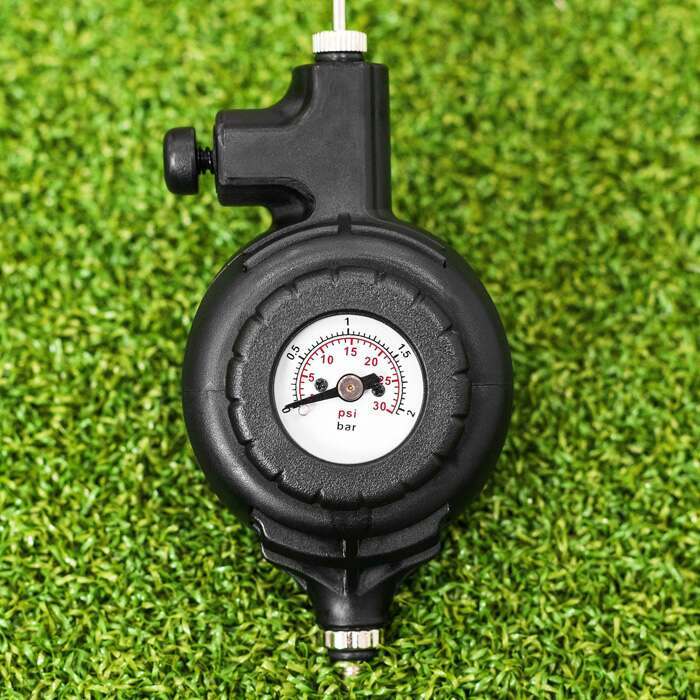
Always follow the Soccer Ball Inflation guidelines provided by the manufacturer. This ensures the ball performs well and lasts longer. Keep a pressure gauge handy. Check the Optimal Soccer Ball Pressure regularly. This simple step can make a big difference in your game.
Credit: www.networldsports.com
Importance Of Proper Pressure
Maintaining the right pressure in a soccer ball is crucial for the game. Proper pressure ensures the ball performs well and keeps players safe. The pressure in a soccer ball is measured in pounds per square inch (PSI). This might seem like a small detail, but it has a big impact on the game.
Impact on Performance
A soccer ball with the correct PSI performs better. Here are a few reasons why:
- Control: A properly inflated ball is easier to control. Players can dribble, pass, and shoot more accurately.
- Consistency: The ball behaves predictably. Players can rely on it to move the same way every time.
- Distance: A ball with the right pressure travels farther. This is important for long passes and powerful shots.
Imagine trying to play with a ball that’s too soft. It won’t bounce well. Shots will lack power. Passes will fall short. Now think about an overinflated ball. It’s too hard. It bounces unpredictably. It’s difficult to control. Both scenarios can frustrate players and affect the outcome of the game.
Here’s a quick comparison to understand the impact:
| PSI | Ball Behavior |
|---|---|
| Too Low | Soft, weak shots, short passes, poor bounce |
| Correct | Optimal control, accurate passes, consistent bounce |
| Too High | Hard, unpredictable bounce, difficult control |
Ensuring the ball has the right PSI helps maintain the quality of the game. It allows players to perform their best.
Player Safety
Player safety is also impacted by the ball’s pressure. Here are some reasons why:
- Injury Prevention: A ball that’s too hard can cause injuries. It can hurt players when they head the ball or if it hits them.
- Fair Play: A properly inflated ball ensures a fair game. Everyone plays with the same equipment conditions.
Consider a ball with too low pressure. It might not cause injuries directly, but it can lead to awkward movements. Players may trip or twist their ankles trying to control it. This can lead to sprains or other injuries.
A ball with too high pressure is another story. It can be like kicking a rock. Heading an overinflated ball can cause headaches or even concussions. It can also hurt if it strikes a player’s body with force.
Here is a quick glance at the safety aspects:
| PSI | Safety Concerns |
|---|---|
| Too Low | Tripping, awkward movements, potential for sprains |
| Correct | Safe heading, controlled movements, minimal injury risk |
| Too High | Concussions, bruises, painful impacts |
Ensuring the ball has the right PSI is crucial for player safety. It helps prevent injuries and keeps the game fair and enjoyable.
Measuring Soccer Ball Pressure
Soccer ball pressure is crucial for optimal performance. Knowing the correct Psi measurement ensures the ball behaves predictably during play. Measuring soccer ball pressure accurately helps maintain the ball’s shape, bounce, and durability.
Tools Required
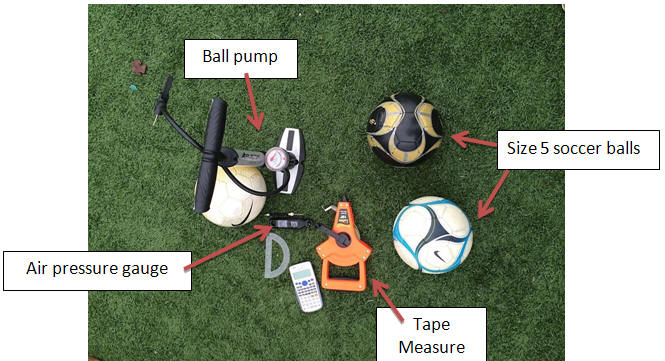
To measure soccer ball pressure, you need specific tools. These tools help you get accurate readings, ensuring your soccer ball is neither overinflated nor underinflated.
- Pressure Gauge For Soccer Balls: This tool measures the Psi of the ball. Digital or analog gauges work well.
- Inflation Needle: Needed to connect the gauge to the soccer ball.
- Air Pump: Essential for adjusting the ball’s air pressure.
- Recommended PSI for Soccer Balls: Usually found on the ball itself or in the manufacturer’s guidelines.
Using the correct tools ensures accurate measurements and optimal pressure for soccer balls. This helps maintain soccer ball pressure and extends the ball’s life. Below is a table summarizing the essential tools:
| Tool | Purpose |
|---|---|
| Pressure Gauge | Measures the ball’s Psi |
| Inflation Needle | Connects gauge to ball |
| Air Pump | Adjusts air pressure |
| Manufacturer’s Psi Guidelines | Indicates optimal pressure |
Steps to Measure
Measuring soccer ball pressure involves a few simple steps. Follow these steps to ensure your soccer ball has the correct air pressure:
- Attach the inflation needle to the pressure gauge: Ensure the needle is securely connected to avoid air leaks.
- Insert the needle into the ball’s valve: Do this gently to prevent damage to the valve.
- Read the pressure gauge: Note the Psi measurement displayed on the gauge.
- Adjust the pressure: If the Psi is too low, use an air pump to add air. If too high, release some air.
Repeat these steps until the ball’s pressure matches the recommended Psi for soccer balls. Proper soccer ball inflation ensures the ball performs well during play. Keeping the ball at optimal pressure for soccer balls enhances its lifespan and maintains its performance.
By regularly checking and maintaining soccer ball pressure, you ensure that the ball remains in top condition. These soccer ball maintenance tips are easy to follow and help in getting the best out of your soccer ball.

Credit: www.forzagoal.com
Effects of Low Pressure
Soccer ball pressure is crucial for an optimal game experience. The pressure level, often measured in psi (pounds per square inch), affects the ball’s performance on the field. Low pressure in a soccer ball can lead to various problems. Understanding these effects can help players maintain better control and extend the life of their equipment.
Ball Control Issues
Low pressure in a soccer ball can significantly impact ball control. A deflated ball does not respond well to kicks and passes, making it harder to predict its movement. This can frustrate players and disrupt the flow of the game.
Here are some specific issues caused by low pressure:
- Unpredictable bounces: A ball with low pressure tends to bounce unevenly, which can confuse players during a match.
- Poor flight trajectory: A deflated ball won’t travel in a straight line, making it difficult to aim passes or shots accurately.
- Reduced ball speed: Low pressure decreases the speed of the ball, affecting the pace of the game.
The table below shows the differences in ball behavior with varying pressure levels:
| Pressure Level (psi) | Ball Behavior |
|---|---|
| 8-10 psi (Optimal) | Predictable bounces, accurate flight, and consistent speed |
| Below 8 psi | Unpredictable bounces, poor flight, and reduced speed |
Increased Risk Of Damage
Playing with a soccer ball that has low pressure can also lead to increased risk of damage. A deflated ball is more susceptible to wear and tear, which can shorten its lifespan.
Consider these points about the risks:
- Surface damage: Low pressure causes the ball to deform more on impact, increasing the likelihood of surface cracks and splits.
- Inner bladder wear: The inner bladder of the ball can suffer from excessive stretching and stress, leading to leaks and punctures.
- Seam stress: Low pressure puts additional strain on the seams, making them more likely to split or burst.
Regularly checking and maintaining the correct pressure can prevent these issues. Using a pressure gauge to ensure the ball remains at the recommended psi can save players time and money in the long run.
Effects of High Pressure
Understanding the effects of high pressure in a soccer ball is crucial for both performance and safety. Soccer ball pressure, measured in PSI (pounds per square inch), plays a significant role in how the ball behaves on the field. High pressure can lead to various issues that affect the game and the players. Let’s explore the specific effects of high pressure on traction and player injury risks.
Reduced Traction
High pressure in a soccer ball can significantly affect traction on the field. When the ball is over-inflated, its surface becomes harder, which impacts how it interacts with the ground. Here are some key points to consider:
- An over-inflated ball tends to bounce higher and faster, making it difficult for players to control.
- The reduced contact area between the ball and the ground decreases grip, leading to slips and falls.
- Players may struggle with soccer ball handling, especially during dribbling and passing.
The following table illustrates the differences in traction between a properly inflated ball and an over-inflated ball:
| Ball Pressure (PSI) | Traction Level | Player Control |
|---|---|---|
| 8-12 PSI (Optimal Pressure) | High | Good |
| 12+ PSI (Over-Inflated) | Low | Poor |
Proper inflation techniques are essential to maintain optimal pressure for soccer balls. Regularly checking and adjusting the pressure can help ensure better traction and control, leading to improved soccer ball performance on the field.
Player Injury Risks
High ball pressure poses significant player safety in soccer concerns. An over-inflated ball can lead to various injuries, impacting players’ health and performance. Consider the following risks:
- Harder balls can cause more severe impact injuries, such as bruises or fractures, especially during headers or chest traps.
- Improperly maintained pressure may lead to muscle strains or sprains as players exert more force to control the ball.
- High pressure affects the ball’s flight path, making it unpredictable and increasing the risk of accidental hits to the face or other body parts.
To minimize injury risks, follow these tips for proper soccer ball maintenance:
- Regularly check the ball’s pressure using a reliable gauge.
- Adjust the air pressure to stay within the recommended range (usually 8-12 PSI).
- Incorporate air pressure regulation into routine equipment checks before practices and games.
By maintaining the optimal pressure for soccer balls, you ensure a safer playing environment and enhance player safety in soccer. Proper pressure management not only reduces injury risks but also improves overall game quality.
Seasonal Pressure Changes
Keeping the right pressure in your soccer ball is important for a good game. Soccer ball pressure is measured in Psi (pounds per square inch). Seasonal changes can affect this pressure. Knowing how weather and altitude can change your ball’s pressure can help you keep it just right.
Temperature Impact
Temperature changes can make a big difference in soccer ball pressure. When the temperature rises, the air inside the ball expands. This makes the ball harder. When the temperature drops, the air contracts. This makes the ball softer.
Consider these points:
- Hot weather: Increases Psi. The ball feels firmer and bounces higher.
- Cold weather: Decreases Psi. The ball feels softer and does not bounce as high.
Here is a simple table to help understand:
| Temperature | Impact on Psi | Ball Feel |
|---|---|---|
| Hot | Increases | Firmer |
| Cold | Decreases | Softer |
To keep your ball at the right pressure:
- Check the pressure before playing.
- Adjust Psi based on the weather.
- Store the ball in a cool, dry place.
Altitude Considerations
Altitude also impacts soccer ball pressure. At higher altitudes, the air pressure is lower. This causes the ball to feel harder and bounce more. At lower altitudes, the air pressure is higher. The ball feels softer and bounces less.
Consider these points:
- High altitude: Lower air pressure. The ball has higher Psi and more bounce.
- Low altitude: Higher air pressure. The ball has lower Psi and less bounce.
Here is a simple table to help understand:
| Altitude | Impact on Psi | Ball Feel |
|---|---|---|
| High | Increases | Firmer |
| Low | Decreases | Softer |
To adjust for altitude:
- Check the ball’s pressure when you arrive.
- Adjust Psi for the altitude.
- Keep a pressure gauge handy.
Adjusting Ball Pressure
Maintaining the correct pressure in a soccer ball is crucial for optimal performance on the field. Soccer ball pressure is measured in pounds per square inch (PSI). Adjusting ball pressure ensures the ball performs well, providing a better playing experience. Here, we’ll explore the best ways to inflate and deflate a soccer ball to maintain the ideal pressure.
Inflation Techniques
Proper inflation techniques are essential for maintaining soccer ball pressure. Using a soccer ball air pump is the most common method. Here’s a step-by-step guide:
- Check the recommended PSI for soccer balls. This information is usually printed near the valve.
- Attach the needle to the soccer ball air pump.
- Insert the needle into the ball’s valve carefully to avoid damage.
- Pump air into the ball. Use a pressure gauge for soccer balls to monitor the pressure.
- Stop pumping once the ball reaches the optimal soccer ball pressure.
It’s important to avoid over-inflation. An over-inflated ball can be difficult to control and may cause injury. Under-inflation also affects performance, resulting in an under-inflated soccer ball that doesn’t bounce correctly and can feel sluggish.
Here is a quick reference table for common PSI recommendations:
| Ball Size | Recommended PSI |
|---|---|
| Size 3 | 8.5 – 15.6 |
| Size 4 | 8.5 – 15.6 |
| Size 5 | 8.5 – 15.6 |
Soccer ball maintenance requires regular checking of the ball’s pressure. Use a pressure gauge for soccer balls to ensure consistent performance.
Deflation Methods
Deflating a soccer ball correctly is just as important as inflating it. Here are some recommended methods:
- Insert the needle of the pump into the valve without pumping air.
- Gently press the needle to release the air. Monitor the pressure using a pressure gauge for soccer balls.
- Continue until the ball reaches the desired lower pressure or is fully deflated.
Deflating a soccer ball can be necessary for storage or transport. Proper deflation prevents damage to the ball and maintains its lifespan. Always avoid using sharp objects to deflate the ball, as this can damage the valve.
Maintaining soccer ball pressure involves both inflation and deflation. Regularly check and adjust the pressure to keep the ball in optimal condition. This ensures better performance and longevity, making your soccer games more enjoyable.
Common Myths
Soccer ball pressure is crucial for a good game. But many myths surround the correct pressure for optimal performance. Common myths often cause confusion. Understanding the truth can improve your game and extend your ball’s life.
Pressure And Kick Power
Many believe high pressure means stronger kicks. This is a common myth. In reality, soccer ball pressure affects kick power in different ways:
- High Pressure: Makes the ball harder and less bouncy. It can lead to more accurate kicks but might reduce speed.
- Low Pressure: Makes the ball softer and bouncier. It can lead to higher kicks but may be harder to control.
Balancing the right pressure is key. A ball inflated to the correct PSI (pounds per square inch) offers the best performance. For most soccer balls, the recommended pressure is between 8.5 and 15.6 PSI. This range ensures optimal balance between control and power.
Consider this table for a quick reference:
| Pressure (PSI) | Effect on Kick Power |
|---|---|
| 8.5 – 11 | Softer kicks, higher bounce |
| 11 – 13 | Balanced power and control |
| 13 – 15.6 | Harder kicks, lower bounce |
Understand your play style. Adjust the pressure to match. This can make a big difference on the field.
Pressure and Ball Longevity
Another myth is that the pressure does not affect the ball’s lifespan. This is false. The correct pressure can help extend your ball’s life. Here’s how:
- Over-Inflation: High pressure can stretch the ball’s seams. This can cause cracks and leaks over time.
- Under-Inflation: Low pressure can deform the ball. This might cause uneven wear and tear.
Keeping your ball at the right pressure helps maintain its shape. It also prevents damage to the outer material. Regular checks are essential. Use a pressure gauge to ensure your ball stays within the recommended PSI range.
Here’s a quick guide:
- Check the PSI recommendation on the ball.
- Use a reliable pressure gauge.
- Inflate or deflate as needed.
Proper pressure maintenance can save you money. It reduces the need for frequent replacements. It’s also better for your game. A well-maintained ball performs consistently. It offers a better experience for players.
Remember, taking care of your soccer ball is simple. Just follow these steps. Your ball will last longer and perform better.
Credit: tuhsphysics.ttsd.k12.or.us
Frequently Asked Questions
What Is The Ideal Soccer Ball Pressure?
The ideal soccer ball pressure is typically between 8. 5 and 15. 6 psi. This range ensures optimal performance. Always check the manufacturer’s guidelines for specific recommendations.
How To Measure Soccer Ball Psi?
To measure soccer ball psi, use a reliable pressure gauge. Insert the gauge into the ball’s valve. Read the displayed pressure.
Why Is Soccer Ball Pressure Important?
Soccer ball pressure affects the ball’s performance. Proper pressure ensures the ball’s shape, bounce, and flight. It also helps prevent injuries.
How To Inflate A Soccer Ball Properly?
To inflate a soccer ball properly, use a pump with a needle. Insert the needle into the valve. Pump until the desired psi is reached.
Conclusion
Proper soccer ball pressure ensures better control and performance. Players should regularly check psi levels. This keeps the ball in optimal condition. Correct pressure also helps prevent injuries. Consistent pressure gives a fair playing experience. Always use a reliable pressure gauge.
Following these tips can improve your soccer game. Enjoy playing with a well-inflated ball. It makes the game more enjoyable and fair. Keep practicing and stay aware of your ball’s psi. Happy playing!