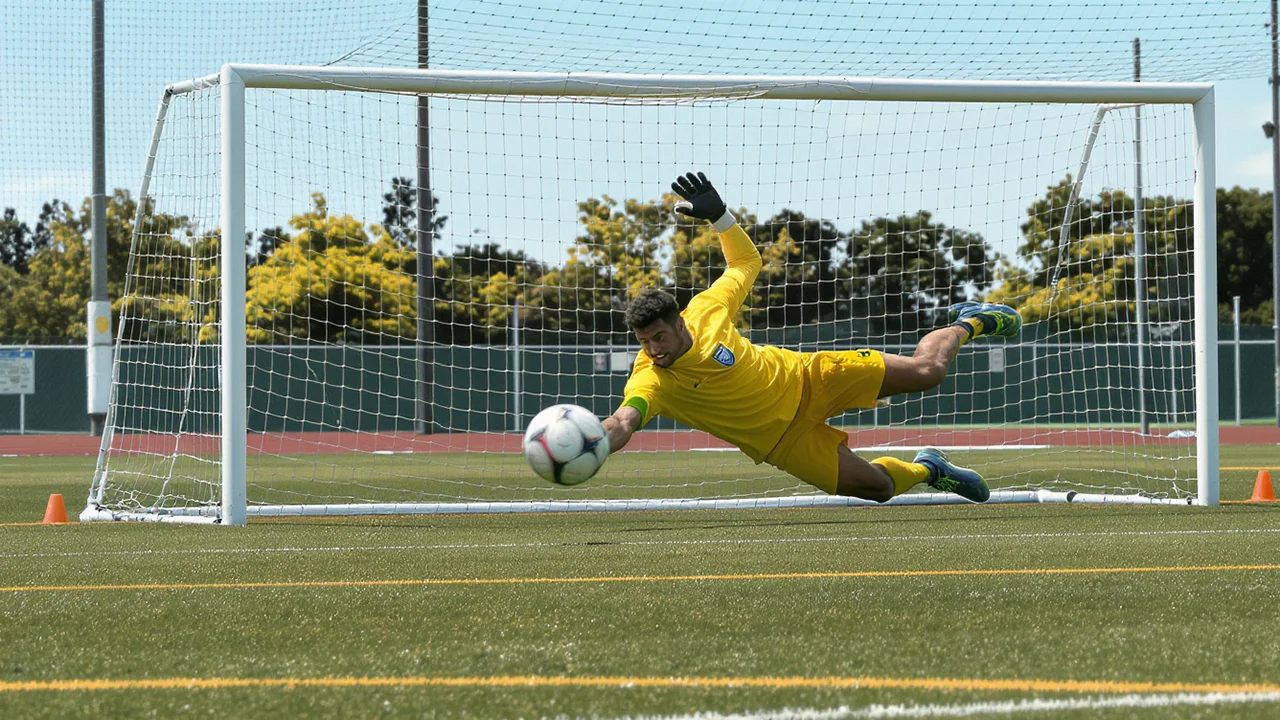
Imagine the thrill of diving to save a crucial shot or directing your team from the back with confidence. As a goalkeeper, you hold a vital role that combines skill, agility, and strategic thinking.
But what if you don’t always have access to a coach or a team to train with? The good news is, you can still sharpen your skills on your own with focused training that prepares you for those game-changing moments.
Picture yourself in control, setting your own pace, and mastering techniques that make every save feel like a victory. This guide is designed to empower you with easy-to-follow exercises, practical tips, and a structured plan that you can implement right away. Whether you’re a beginner or looking to refine your skills, these strategies will help you become the goalkeeper you aspire to be. Ready to dive into self-training and elevate your game? Let’s get started!
Benefits Of Solo Goalkeeper Training
Solo goalkeeper training offers unique benefits for aspiring goalkeepers. It allows you to focus on specific skills and techniques. Training alone helps you understand your strengths and weaknesses. You can progress at your own pace, without pressure. This tailored approach can lead to noticeable improvements.
Enhance Self-discipline
Training alone demands discipline. You must set your schedule and stick to it. This builds strong self-management skills over time. Consistent practice is key to improving your goalkeeping abilities.
Improve Focus
Solo sessions minimize distractions. Concentrate on perfecting your technique. Focus sharpens your skills and boosts mental clarity. This enhanced focus translates to better performance on the field.
Customizable Drills
Create drills that target your weaknesses. Adjust the intensity to match your level. This flexibility lets you work on specific areas needing improvement. Custom drills make training more effective.
Develop Problem-solving Skills
Overcome challenges independently during solo practice. This strengthens problem-solving abilities. Creativity emerges as you find solutions. These skills are valuable during real matches.
Build Confidence
Solo training builds confidence. Master techniques through repeated practice. Knowing your capabilities boosts self-assurance. This confidence is vital during high-pressure games.
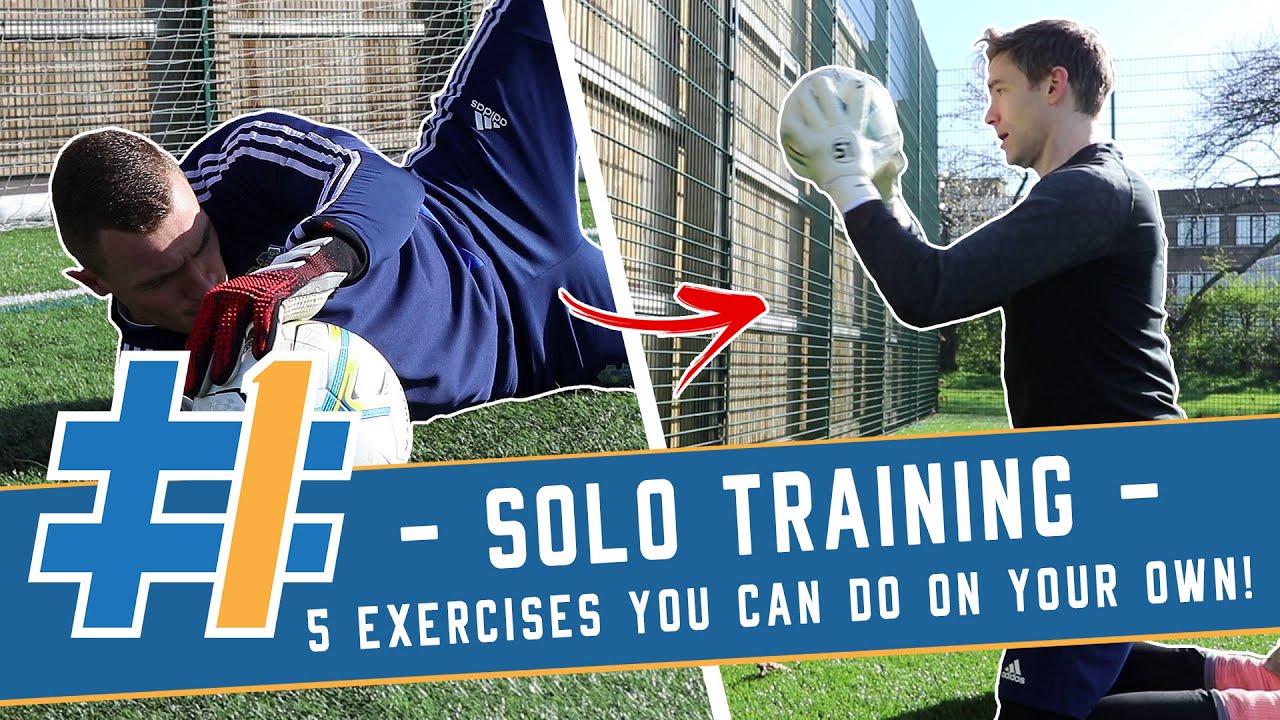
Credit: www.youtube.com
Essential Equipment
Training as a goalkeeper on your own can be a rewarding challenge. To make the most of your solo practice sessions, you’ll need essential equipment to enhance your skills and protect yourself. This gear helps simulate real-game scenarios, allowing you to sharpen your reflexes and improve your overall performance. Let’s dive into the key pieces you should have in your kit.
Gloves And Protective Gear
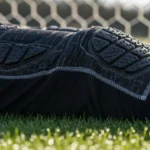
Your gloves are your first line of defense. They protect your hands from the impact of fast-flying soccer balls and provide grip for catching and throwing. Choose gloves with proper padding and a snug fit. If you’ve ever experienced a painful ball strike, you know how crucial this is.
Consider adding protective gear like knee and elbow pads. Diving and sliding on hard surfaces can lead to bruises and scrapes. These pads offer extra cushioning, ensuring you can train without fear of injury. Does your gear give you the confidence to push harder?
Training Cones And Poles
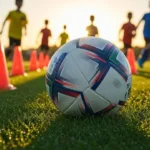
Cones and poles are fantastic for setting up agility drills. They help you practice quick footwork and directional changes. Arrange them in various patterns and test your ability to move swiftly between them.
These tools also allow you to mimic obstacles found in real matches. Try weaving through cones or jumping over poles to enhance your physical coordination. How creative can you get with your drills?
Rebound Nets And Walls
Rebound nets and walls are excellent for solo practice. They simulate passes and shots from teammates, requiring you to react quickly. Aim your ball at the net or wall and prepare for unpredictable returns.
This equipment forces you to develop fast reflexes and sharpens your decision-making skills. It’s like having an ever-ready practice partner that challenges you constantly. Are your reactions up to the test?
As you equip yourself with these essentials, remember that each piece plays a vital role in your development. With the right gear, you can train effectively and safely, setting yourself up for success on the field.
Warm-up And Stretching
Warming up and stretching are vital for every goalkeeper. These steps prepare your body and mind for training. A proper warm-up reduces injury risk and enhances performance. Stretching improves flexibility and range of motion. Both are essential for a goalkeeper’s agility and speed.
Dynamic Warm-up Exercises
Begin with light jogging for 5 minutes. This increases your heart rate. Follow with high knees to engage your core and legs. Perform butt kicks to stretch your quadriceps and improve leg speed. Include arm circles to loosen your shoulder muscles. Finish with lateral shuffles to enhance side-to-side movement.
Stretching Techniques For Flexibility
Start with a hamstring stretch to improve leg flexibility. Sit on the ground and reach for your toes. Hold for 15 seconds. Next, perform a calf stretch by leaning against a wall. Keep your heel on the ground. Stretch your quadriceps by pulling your foot to your glutes. Hold for 15 seconds. Finally, stretch your shoulders by pulling one arm across your chest. Maintain each stretch to maximize effectiveness.
Footwork Drills
Footwork is crucial for any goalkeeper aiming to improve their game. Quick feet help in making fast, accurate saves. Practicing footwork drills can enhance agility and balance. These drills also boost coordination and speed. Let’s explore some effective exercises.
Agility Ladder Drills
An agility ladder is a great tool for footwork training. Start with simple in-and-out steps. Place your feet inside and outside the ladder rungs. This drill improves quickness and control. Try lateral movements next. Move sideways through the ladder, keeping a low center of gravity. Maintain balance and speed. This side-stepping technique trains lateral quickness. Lastly, use the one-foot hop. Hop through the ladder on one foot, then switch. Focus on light, quick movements. This drill enhances balance and leg strength.
Cone-based Movement Drills
Cone drills are versatile for enhancing a goalkeeper’s footwork. Set up five cones in a “W” shape. Start at the first cone and sprint to the second. Shuffle sideways to the third cone, then backpedal to the fourth. Finish with a sprint to the last cone. This sequence mimics game movements. Another drill involves zigzag running. Place cones in a straight line, spaced two feet apart. Weave through the cones quickly, maintaining close control. This drill improves agility and change of direction. Focus on sharp turns and quick bursts of speed.
Hand-eye Coordination
Improve hand-eye coordination with solo goalkeeper drills. Use a wall to practice catching and throwing. Maintain focus by tracking the ball’s movement closely.
Improving hand-eye coordination is crucial for goalkeepers. It allows you to react quickly and effectively to shots on goal, making those game-winning saves. Practicing this skill on your own can be both fun and rewarding. You’ll see improvements in your performance and gain confidence on the field.
Ball Toss And Catch Exercises
Start with a simple ball toss. Stand a few feet away from a wall or a partner. Toss the ball with one hand and catch it with the other. This exercise sharpens your reflexes and improves your coordination. You can vary the speed and height of your tosses to increase difficulty. Challenge yourself to catch the ball in different positions. This keeps your muscles engaged and your mind alert.
Wall Rebound Drills
Find a sturdy wall and a small, bouncy ball. Stand a few feet away and throw the ball against the wall. As the ball rebounds, catch it with both hands. This exercise is perfect for simulating real game situations where quick reflexes are needed. To make it more challenging, try throwing the ball at different angles. This forces you to move your feet and adjust your body position quickly. Can you maintain focus and control when the ball comes at you unpredictably?
Diving And Shot-stopping
Improve your diving and shot-stopping skills with solo goalkeeper training. Practice quick reflexes and accurate movements to enhance your ability to block shots effectively. Use cones or a wall to simulate real-game situations and build agility.
Diving and shot-stopping are essential skills for any goalkeeper. Practicing these on your own can help improve your performance. Focused training increases your agility and reaction time. Let’s explore how you can enhance these skills independently.
Basic Diving Techniques
Start with mastering basic diving techniques. Practice diving from a standing position. Use a soft surface like grass or a mat. This reduces the risk of injury. Focus on your form. Keep your body streamlined. Extend your arms fully towards the ball. Try to land on your side. This helps to absorb the impact safely. Practice diving to both sides equally. Balance is key for a goalkeeper.
Simulated Shot-stopping
To practice shot-stopping, simulate game situations. Use a wall or rebounder. Kick the ball against it at different angles. Try to stop the ball as it returns. This builds your reflexes. Set up cones to create obstacles. Dribble around them and shoot against the wall. This mimics real game scenarios. Always aim for quick recovery. Get back on your feet fast after each dive. This is crucial in live matches.
Positioning And Awareness
Positioning and awareness are vital for goalkeepers. Proper positioning increases your chance of blocking shots. Awareness helps anticipate the opponent’s moves. Training these skills boosts your confidence on the field.
Goal Area Familiarization
Start by familiarizing yourself with the goal area. Understand its dimensions. Know where you stand in relation to the goalposts. This knowledge helps you cover the goal effectively. Practice moving around the goal area. Feel comfortable in different positions. Try standing at various spots. Notice how angles change.
Angle Play And Positioning
Angles matter in goalkeeping. Stand in the right spot to reduce the shooting angle. This makes it harder for attackers to score. Practice positioning by imagining an invisible line from the ball to the goal. Move along this line to maintain the best position. Training with cones can help. Set them up to simulate shot directions. Adjust your position to cover each angle.
Fitness And Conditioning
Fitness and conditioning form the backbone of effective goalkeeper training. To excel, a goalkeeper must focus on agility, strength, and stamina. A balanced workout routine enhances performance and reduces injury risks. Here, we explore key exercises to boost your fitness level.
Cardio Workouts
Cardio workouts build endurance and improve overall fitness. Running is a simple yet effective method. Incorporate interval sprints to simulate game situations. Cycling and swimming also offer great cardio benefits. These activities strengthen your heart and lungs. Aim for at least 30 minutes, three times a week.
Strength And Endurance Training
Strength training enhances a goalkeeper’s power and explosiveness. Focus on exercises like squats and lunges. These build leg muscles crucial for jumping and diving. Core exercises such as planks and Russian twists improve stability. Consistent strength training boosts endurance and supports quicker recovery.
Tracking Progress
Practicing alone as a goalkeeper involves focusing on drills that enhance reflexes, agility, and positioning. Use cones for footwork exercises. Practice catching with a wall to improve hand-eye coordination.
Tracking your progress is a vital part of goalkeeper training. It helps you understand how far you’ve come and what areas need improvement. When you train on your own, maintaining a record of your achievements can be both motivating and enlightening.
Setting Personal Goals
Begin by setting clear, specific goals for your training sessions. Ask yourself what you want to achieve—better reflexes, improved decision-making, or increased jumping ability? Write these goals down. This simple action makes them more tangible and provides a roadmap for your training journey. Think about what success looks like for you. Is it making that difficult save consistently or reducing the number of goals conceded in practice?
Recording And Analyzing Performance
Keep a detailed training log. Note the drills you performed, the number of repetitions, and your success rate. Use a simple notebook or a digital app to track your progress. Regularly reviewing this data helps you spot trends and identify areas for improvement. After each session, take a moment to reflect. Did you meet your personal goals? What worked well, and what didn’t? Adjust your future training plans based on these insights. Consider sharing your progress with a friend or mentor. This adds accountability and provides an external perspective that can be incredibly valuable. Tracking progress in your goalkeeper training isn’t just about numbers; it’s about understanding your journey and striving for continuous improvement. What steps will you take today to become a better goalkeeper tomorrow?
Frequently Asked Questions
How Can I Improve My Goalkeeper Reflexes?
Improving reflexes requires consistent practice and focus. Use reaction drills and quick footwork exercises. Incorporate tools like agility cones and reaction balls. Practice catching high-speed shots. Regularly analyze and adjust techniques. Aim for swift movements and decision-making to enhance reflexes.
What Exercises Build Goalkeeper Strength?
Goalkeepers need strength for jumps and dives. Focus on leg workouts like squats and lunges. Upper body exercises such as push-ups and planks are essential. Core workouts like sit-ups enhance stability. Consistent strength training aids in powerful saves and efficient movements.
How Do I Practice Diving Alone?
Set up a safe area with soft padding. Practice diving using a ball thrown against a wall. Focus on technique and landing safely. Gradually increase difficulty with varied angles. Regular practice improves accuracy and confidence in diving skills.
Can I Train Goalkeeping Without Equipment?
Yes, you can train without equipment. Focus on bodyweight exercises to build strength. Practice footwork and positioning drills in open spaces. Use visualization techniques for scenarios. Simulate game situations mentally to hone decision-making. Consistent practice enhances skills even without gear.
Conclusion
Training alone can boost your goalkeeper skills effectively. Focus on core techniques. Practice consistently to improve speed and agility. Use simple drills for reflex training. Stay committed; dedication is key. Regular practice builds confidence and sharpens your skills. Watch videos for guidance and tips.
Always warm up to prevent injuries. Keep challenging yourself with new exercises. Track your progress regularly. Adjust your routine as needed. Enjoy the process and celebrate small victories. Goalkeeper training solo can be rewarding. With patience and effort, you’ll see improvement.