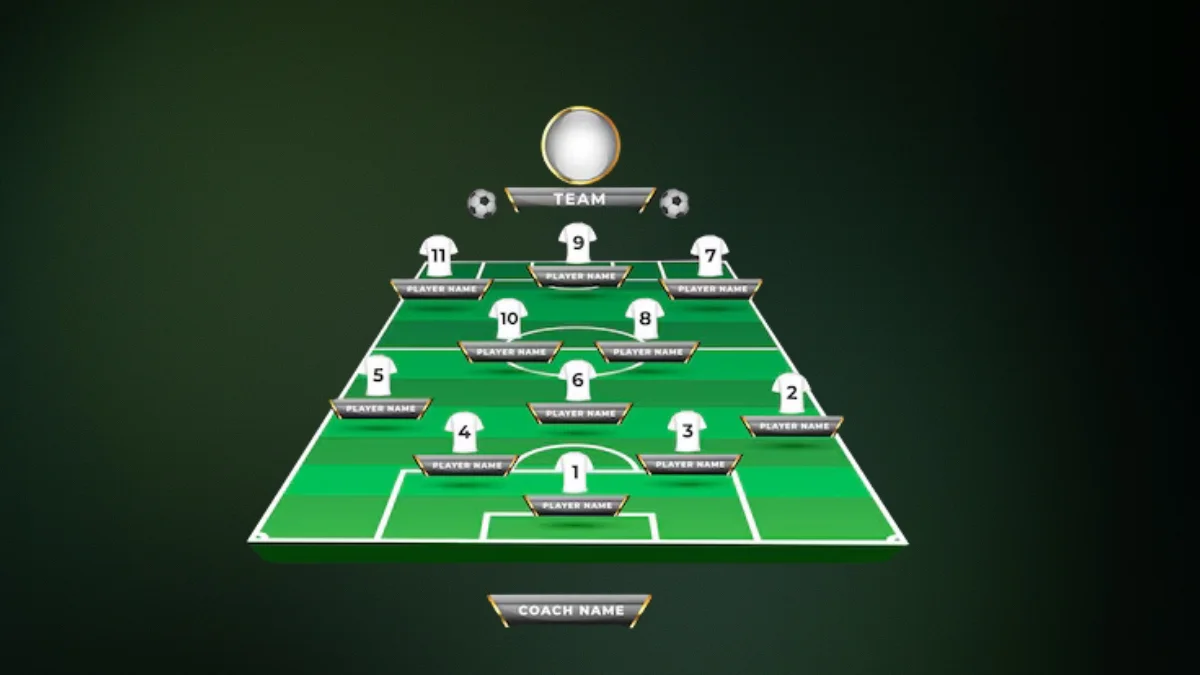
A soccer team has 11 players on the field. This includes one goalkeeper and ten outfield players.
Soccer is the world’s most popular sport, loved by millions. To enjoy the game fully, it’s essential to understand its basic rules. One key aspect is knowing how many players are on a team. This knowledge helps fans follow the game better and players know their roles.
In this post, we will explore the composition of a soccer team. We’ll look at the different positions and the importance of each player. This will give you a clear picture of how a soccer team operates. So, whether you are a new fan or a curious learner, read on to discover more about soccer team dynamics.

Credit: www.vox.com
Team Composition
Understanding the number of players on a soccer team involves knowing the team composition. Soccer, known as football in many countries, has a specific structure for how teams are set up. This structure ensures fair play and strategy during matches. The composition includes the starting players and the substitutes. Each part of the team has its own role and rules, which are important for any fan or aspiring player to understand.
Starting Players
The official soccer rules state that a full team on the field consists of 11 players. These players form the Starting XI and include various positions essential to the game. The positions are usually divided into:
- Goalkeeper: The only player allowed to use their hands within the penalty area.
- Defenders: Usually four players, including center-backs and full-backs, who protect the goal.
- Midfielders: Generally four players, who connect the defense and attack, controlling the flow of the game.
- Forwards: Typically two to three players, whose main job is to score goals.
Here is a common arrangement:
| Position | Number of Players |
|---|---|
| Goalkeeper | 1 |
| Defenders | 4 |
| Midfielders | 4 |
| Forwards | 2-3 |
This lineup can change based on the team strategy and the specific soccer match regulations. Coaches may choose different formations to strengthen defense or enhance the attack. The player positions in soccer and their roles are crucial for a team’s success.
Substitutes
Besides the starting 11, teams also have substitutes in soccer. These players can replace starters during the match. Substitutes are used for several reasons:
- Injuries: Replace injured players to maintain team strength.
- Tactical Changes: Adjust team strategy by bringing in fresh players.
- Fatigue: Rest tired players to keep the team energetic.
The number of substitutes allowed can vary. In most competitions, teams can have up to 7 substitutes on the bench, but only 3 to 5 can be used during a game, depending on the soccer game format.
Here’s a quick look:
| Substitutes on Bench | Usable Substitutes |
|---|---|
| Up to 7 | 3 to 5 |
Using substitutes wisely is part of the soccer team composition. Coaches must decide the best moments for substitutions to influence the game positively. Having a strong bench ensures that the team can adapt to different situations and maintain high performance throughout the match.
Official Rules
Understanding the number of players on a soccer team is crucial for both new and seasoned fans. The official rules governing team sizes are set by various organizations, with FIFA being the most recognized. These regulations ensure fairness and consistency in the game. Let’s delve into the official rules to get a clear picture.
Fifa Regulations
FIFA, the governing body for international soccer, has clear rules on the number of players on a soccer team. According to FIFA Rules, a team must have 11 players on the field, including one goalkeeper. This structure is standard for all international soccer standards and major tournaments.
Here’s a breakdown of the player positions:
- 1 Goalkeeper
- 4 Defenders
- 4 Midfielders
- 2 Forwards
In addition to the starting 11, FIFA allows for substitutes in soccer. Each team can have up to 7 substitutes on the bench. During a game, a team can make three substitutions. In some tournaments, a fourth substitution is allowed if the match goes into extra time.
FIFA’s regulations also cover specific roles and responsibilities for each player. The goalkeeper, for example, is the only player allowed to use their hands, but only within the penalty area. These rules help maintain the structure and integrity of the game.
League Variations
While FIFA sets the global standard, individual leagues may have slight variations in their rules. For instance, youth soccer teams often have different team sizes to accommodate younger players’ skill levels and field sizes.
Here is a table summarizing different league variations:
| League Type | Number of Players | Substitutions Allowed |
|---|---|---|
| Professional Leagues | 11 | 3 |
| Youth Soccer Teams (U12) | 9 | Unlimited |
| High School Soccer | 11 | Unlimited |
Different leagues may also adapt the number of substitutions based on their specific needs. For example, many youth leagues allow for unlimited substitutions to ensure all players get a chance to play. This flexibility helps in player development and keeps the game engaging for younger participants.
Understanding these league regulations is essential for players, coaches, and fans. Knowing the variations helps in adapting strategies and ensures everyone is on the same page regarding team formation and soccer match regulations.
Player Roles
In soccer, each of the 11 players on a team has a specific role. Understanding these roles is crucial for the team strategy in soccer. Each position has unique responsibilities, contributing to the overall composition of the soccer team. Let’s explore the various player roles in an 11-a-side soccer team.
Goalkeeper
The goalkeeper, often called the goalie, is the last line of defense. This player has the critical job of preventing the opposing team from scoring. Here are some key responsibilities of a goalkeeper:
- Stop shots on goal
- Organize the defense
- Distribute the ball to teammates
- Catch crosses and corner kicks
Goalkeepers must have quick reflexes and excellent hand-eye coordination. They are the only players allowed to use their hands, but only within the penalty area. A good goalkeeper can be the difference between winning and losing a match.
Defenders
Defenders play in front of the goalkeeper. Their primary role is to stop the opposing team from scoring. Defenders are usually divided into two categories:
- Center Backs: Positioned in the center of the defense. They are strong and good at tackling.
- Full Backs: Positioned on the left and right sides of the defense. They need to be fast and good at marking opponents.
Sometimes, teams use a third category of defenders:
- Wing Backs: These players have a more attacking role. They support both the defense and the midfield.
Defenders must have strong tactical awareness. They need to communicate well with each other and the goalkeeper to maintain a solid defensive line.
Midfielders
Midfielders are the engine of the team. They link the defense and the attack. Midfielders are usually divided into two main types:
- Defensive Midfielders: These players protect the defense. They intercept passes and tackle opponents.
- Attacking Midfielders: These players create scoring opportunities. They make key passes and take shots on goal.
Some teams also use central midfielders, who balance both defensive and attacking duties. Midfielders must have good stamina and ball control. They need to be able to think quickly and make smart decisions under pressure.
Forwards
Forwards, also known as strikers or attackers, have the main job of scoring goals. They play closest to the opponent’s goal. Forwards are usually categorized into two types:
- Center Forwards: These players are strong and good at finishing. They often play with their back to the goal and hold up the ball.
- Wingers: These players are fast and good at dribbling. They play on the left and right sides, creating scoring chances from wide positions.
Forwards need to have excellent shooting skills. They must be able to read the game and position themselves well to score. A good forward is always a threat to the opposing defense.
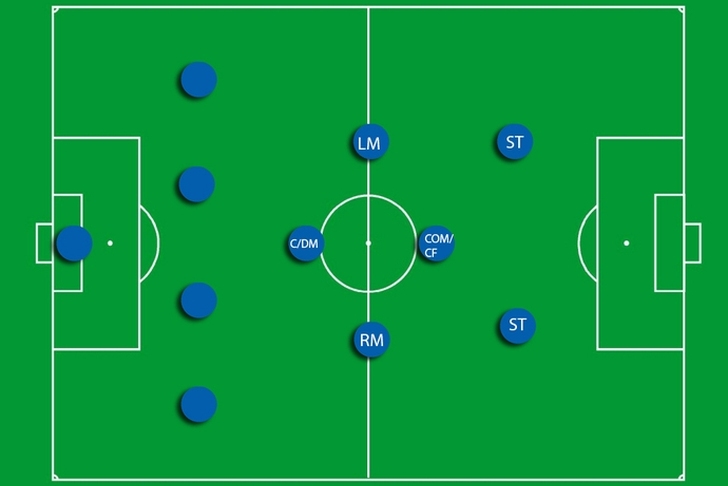
Credit: www.chatsports.com
Youth Teams
Understanding how many players are on a soccer team can be confusing, especially for youth teams. Youth soccer teams have different rules compared to adult teams. These rules vary based on age group and the type of game being played. This ensures that young players develop their skills effectively and enjoy the sport.
Small Sided Games
Small sided soccer games are popular in youth soccer. These games have fewer players on each team. This helps young players get more touches on the ball and stay involved. Small-sided games can vary in the number of players, but they usually include:
- 4v4 games for ages 6 and under
- 5v5 games for ages 7 and 8
- 7v7 games for ages 9 and 10
- 9v9 games for ages 11 and 12
Small sided soccer helps players learn important skills. These skills include dribbling, passing, and shooting. It also helps them understand soccer formations and team sports dynamics. Because there are fewer players, children have more space to play. This makes it easier for them to learn and practice different techniques.
Small sided games are not just for outdoor soccer teams. They are also used for indoor soccer players. Indoor soccer players benefit from the fast-paced nature of small sided games. The smaller field and fewer players mean more action and quicker decision making.
Age Group Variations
Youth soccer teams follow different soccer match regulations based on age groups. These regulations ensure that the game is safe and fair for players of different ages. Here are some common variations:
| Age Group | Number of Players | Field Size |
|---|---|---|
| U6 (Under 6) | 4v4 | 20 x 30 yards |
| U8 (Under 8) | 5v5 | 30 x 40 yards |
| U10 (Under 10) | 7v7 | 40 x 60 yards |
| U12 (Under 12) | 9v9 | 50 x 80 yards |
| U14 (Under 14) | 11v11 | 70 x 100 yards |
These age group soccer rules help in the overall development of young players. They ensure that children are not overwhelmed by the game. For instance, younger children play on smaller fields with fewer players. This helps them focus on their skills without getting tired quickly.
As children grow older, the number of players and the field size increase. This gradual increase prepares them for the standard 11v11 games played by adults. Understanding these variations is crucial for coaches and parents. It helps them support young players in their soccer journey effectively.
Professional Teams
Soccer is the most popular sport in the world. Understanding the team composition is crucial for fans and aspiring players. Professional soccer teams follow strict rules about the number of players. These rules ensure the game is fair and competitive. Knowing how many players are on a soccer team is essential. This helps in understanding the game better.
Squad Sizes
Professional soccer teams have a specific number of players in their squads. FIFA regulations mandate that each professional team can have a maximum of 25 players in their squad. This is known as the Soccer Squad. These players are registered for the season. Teams can change their squad during transfer windows.
The squad includes:
- Goalkeepers
- Defenders
- Midfielders
- Forwards
In professional soccer leagues, the Soccer Team Composition is strategic. Coaches select players based on Player Positions and team needs. The squad must balance talent across all positions.
The squad size also takes into account Substitutes In Soccer. Substitutes are crucial for replacing injured or tired players. Teams usually have:
- 2-3 Goalkeepers
- 8-10 Defenders
- 8-10 Midfielders
- 4-5 Forwards
Professional soccer leagues have rules about squad sizes. These rules ensure teams are not too large. Teams must also comply with financial regulations. This prevents clubs from overspending on players.
Matchday Roster
On matchday, not all squad players can play. The Soccer Matchday roster is limited. According to Soccer Rules And Regulations, only 18 players can be part of the matchday roster. This includes:
- 11 starting players
- 7 substitutes
The starting lineup comprises:
- 1 Goalkeeper
- 10 Outfield players
The rest are substitutes. Coaches use substitutes to change tactics or replace injured players. Each team is allowed three substitutions during a match. In some competitions, a fourth substitution is allowed during extra time.
The matchday roster must also consider Team Formation. Coaches choose formations based on opponent strengths and weaknesses. Common formations include 4-4-2, 4-3-3, and 3-5-2. Each formation requires different player positions and skills.
Youth Soccer Teams follow similar rules but often have more flexibility. They focus on player development rather than strict squad sizes.
Understanding the matchday roster helps fans appreciate the game. It shows the strategy behind player selection and team formation. This knowledge enhances the viewing experience and deepens the love for soccer.
Common Misconceptions
Soccer is a beloved sport around the world. It is known for its teamwork and strategy. Many people have questions about the number of players on a soccer team. There are some common misconceptions about team size and player roles. Understanding these can help you enjoy the game more.
Player Limits
Many people think they know how many players are on a soccer team. The official rules set by FIFA state that a team consists of 11 players on the field. This includes one goalkeeper and ten outfield players. But there are more details to consider:
- Substitutes: Teams are allowed to have up to 7 substitutes on the bench. This means a match roster can include 18 players.
- Youth Soccer Teams: Younger players may have different rules. Youth soccer teams often have fewer players to make the game easier to manage.
- Small-Sided Games: Some leagues play with fewer players. For example, 5-a-side or 7-a-side games are common in recreational leagues.
Here is a table to summarize the player limits:
| Team Type | Players on Field | Substitutes |
|---|---|---|
| Professional | 11 | 7 |
| Youth | 7-11 | 3-7 |
| Small-Sided | 5-7 | 3-5 |
These variations show that the soccer team size can change based on different factors. Always check the soccer regulations for your specific league.
Positional Flexibility
Another common misconception is about soccer player positions. Many think that players must stay in fixed positions. In reality, positional flexibility is a key part of the sports team structure. Let’s explore this further:
- Defenders: While their main job is to stop the other team from scoring, they can also help in attacking. Some defenders move forward to support the midfield.
- Midfielders: These players have both defensive and offensive roles. They often run the most during a game, connecting the defense and the attack.
- Forwards: Forwards are expected to score goals. But they also help in defense when the team loses possession.
The team composition can change during the game:
- Substitutions: Bringing in fresh players can change the team dynamics. Coaches may substitute players to strengthen defense or boost attack.
- Formation Changes: Teams can switch formations based on the match situation. For example, a 4-4-2 formation can change to a 3-5-2 formation if more midfield control is needed.
Understanding player roles and flexibility can make watching soccer more enjoyable. It shows how strategic and dynamic the game can be. The FIFA rules allow teams to be creative with their approach, making every match unique.
Impact Of Substitutions
Soccer is a dynamic sport with eleven players on each team. Substitutions play a crucial role in how the game is played. They impact the strategy, manage injuries, and keep players fresh. Understanding the impact of substitutions can help you appreciate the game better.
Strategic Changes
Substitutions in soccer are more than just a way to replace tired players. They are a key part of game strategy. Coaches use them to adjust team formation and player positions. This can help counter the opponent’s tactics or exploit their weaknesses.
Here are some strategic reasons for making substitutions:
- Changing Tactics: Moving from a defensive to an offensive formation.
- Boosting Energy: Bringing in fresh legs to maintain a high tempo.
- Special Roles: Introducing players with specific skills for set-pieces or penalties.
According to FIFA rules, each team can make up to three substitutions during a match. This number is different for youth soccer teams and varies based on competition rules. In some leagues, a fourth substitution is allowed during extra time.
The table below shows the number of substitutions allowed in different competitions:
| Competition | Substitutions Allowed |
|---|---|
| FIFA World Cup | 3 (4 in extra time) |
| UEFA Champions League | 3 (4 in extra time) |
| Youth Soccer Tournaments | Varies (often 5-7) |
Strategic substitutions can change the course of a competitive soccer match. Coaches plan these changes in advance but must also adapt to the flow of the game.
Injury Management
Injuries are a common part of soccer. Managing them is crucial to the soccer team’s size and performance. Substitutions help teams cope with injuries without losing a player.
Key aspects of injury management through substitutions include:
- Immediate Replacement: Removing injured players to prevent further harm.
- Protecting Players: Subbing out players showing signs of fatigue or minor injuries.
- Medical Assessment: Allowing time for medical staff to assess and treat injuries.
For example, if a forward gets injured, a coach might bring in a substitute who can play multiple player positions in soccer. This flexibility helps maintain the team’s balance and official soccer roster.
According to soccer match regulations, a substitution for injury must be quick to avoid disrupting the game flow. Coaches often have backup plans for such scenarios.
In competitive soccer, every substitution matters. Whether for strategic reasons or injury management, these changes can make a significant impact on the outcome of the game.
Cultural Differences
Soccer, known as football in many parts of the world, is a globally beloved sport. While the core rules are consistent, the number of players on a soccer team can vary due to cultural differences. Understanding these variations can help in appreciating the game’s rich diversity.
International Variations
Across different countries, the number of players on a soccer team can differ based on regional preferences and regulations. The standard team size, according to FIFA regulations, is 11 players on the field. This includes one goalkeeper and ten outfield players. However, variations do exist:
- In some countries, youth soccer teams often play with fewer players to accommodate the younger age group’s skills and stamina.
- Small-sided games, such as 5-a-side or 7-a-side, are popular in places with limited space or for recreational play.
- Beach soccer typically features teams of 5 players, adjusting the traditional format to the sandy terrain.
Here’s a table summarizing different international variations:
| Game Type | Number of Players |
|---|---|
| Standard Soccer (FIFA) | 11 |
| Youth Soccer | 5-11 |
| Beach Soccer | 5 |
| 5-a-side Soccer | 5 |
| 7-a-side Soccer | 7 |
These variations ensure that the sport remains accessible and enjoyable for all. They also highlight the flexibility within international soccer rules to adapt to different environments and player needs.
Local Customs
Local customs further influence the number of players on a soccer team. In some regions, traditional games with unique rules and team sizes are a part of the cultural heritage. For example:
- In Brazil, informal street soccer games, known as “peladas,” may have any number of players, depending on who is available.
- In rural parts of England, village teams might play with varying numbers, reflecting community participation more than strict adherence to professional soccer teams norms.
- In Asia, schools often conduct matches with mixed team sizes to encourage broader participation.
Local soccer leagues might have their own game regulations that differ from FIFA regulations. This allows teams to adapt based on available resources and player preferences. For instance:
- Some leagues permit additional bench players to ensure everyone gets a chance to play.
- Flexible team formation rules allow for creative strategies, making the game more engaging for local fans.
Understanding these local customs provides insight into the community aspect of soccer. It shows how the sport can be both a structured and spontaneous activity, fostering unity and enjoyment.
Frequently Asked Questions
How Many Players Are On A Soccer Team?
A soccer team has 11 players on the field. This includes 10 outfield players and one goalkeeper.
How Many Substitutes Are Allowed In Soccer?
In most competitions, teams can use up to five substitutes. However, the total number on the bench varies.
What Is The Role Of The Goalkeeper?
The goalkeeper’s primary role is to prevent the opposing team from scoring. They can use their hands within the penalty area.
Can A Soccer Team Have More Than 11 Players?
No, a soccer team can only have 11 players on the field. Additional players are substitutes.
Bottom Line
Knowing the number of players on a soccer team helps understand the game better. Each team has 11 players on the field. Substitutes play a crucial role as well. Soccer rules are simple and easy to follow. Understanding them enhances the enjoyment of the sport.
Soccer remains a beloved game worldwide. Whether playing or watching, knowing the team structure is key. Enjoy the beautiful game with this newfound knowledge. Stay curious and keep learning about soccer.