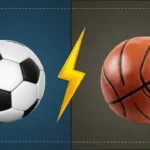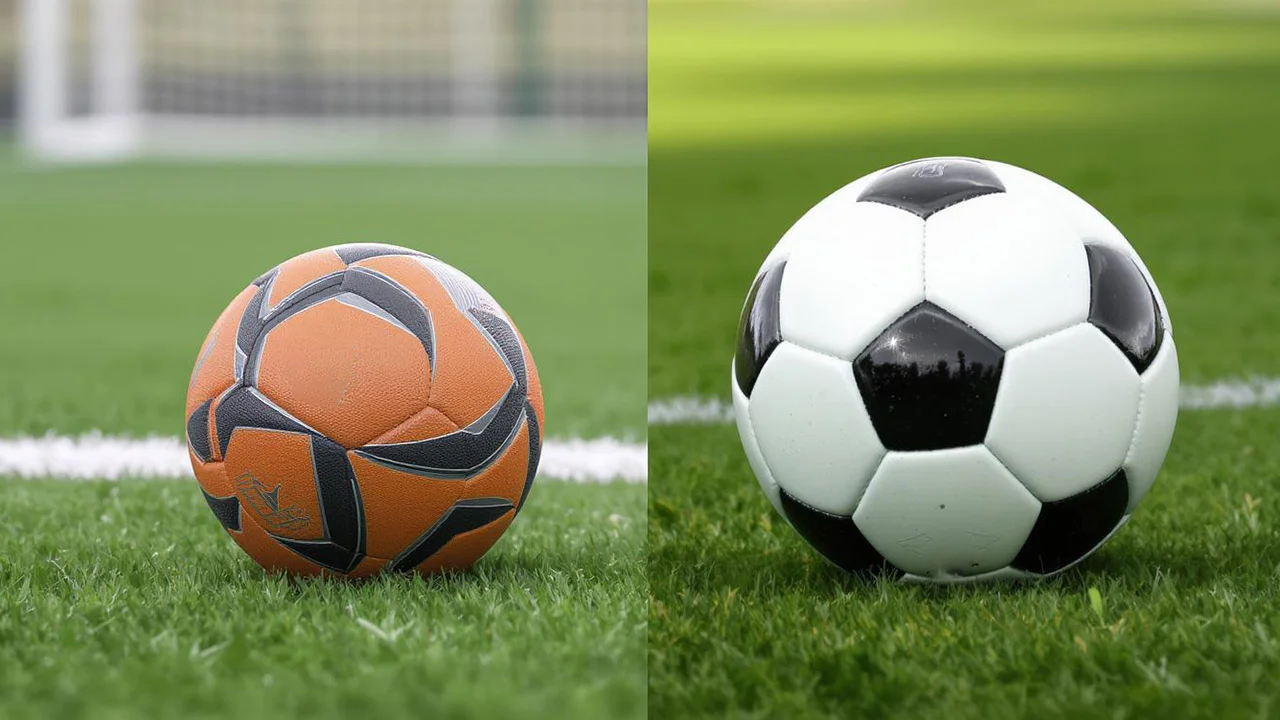
Futsal and soccer are two popular sports. Each uses a different type of ball.
Understanding the differences between a futsal ball and a soccer ball can enhance your game experience. While both sports share similarities, the equipment used can greatly affect play. Futsal, played indoors on a smaller court, uses a smaller, heavier ball.
This ball bounces less, promoting better control in tight spaces. Soccer, usually played on larger outdoor fields, uses a bigger, lighter ball designed for long passes and aerial play. Knowing these differences helps players choose the right ball for their game. Dive in to discover how each ball influences the style and skill required in these sports.
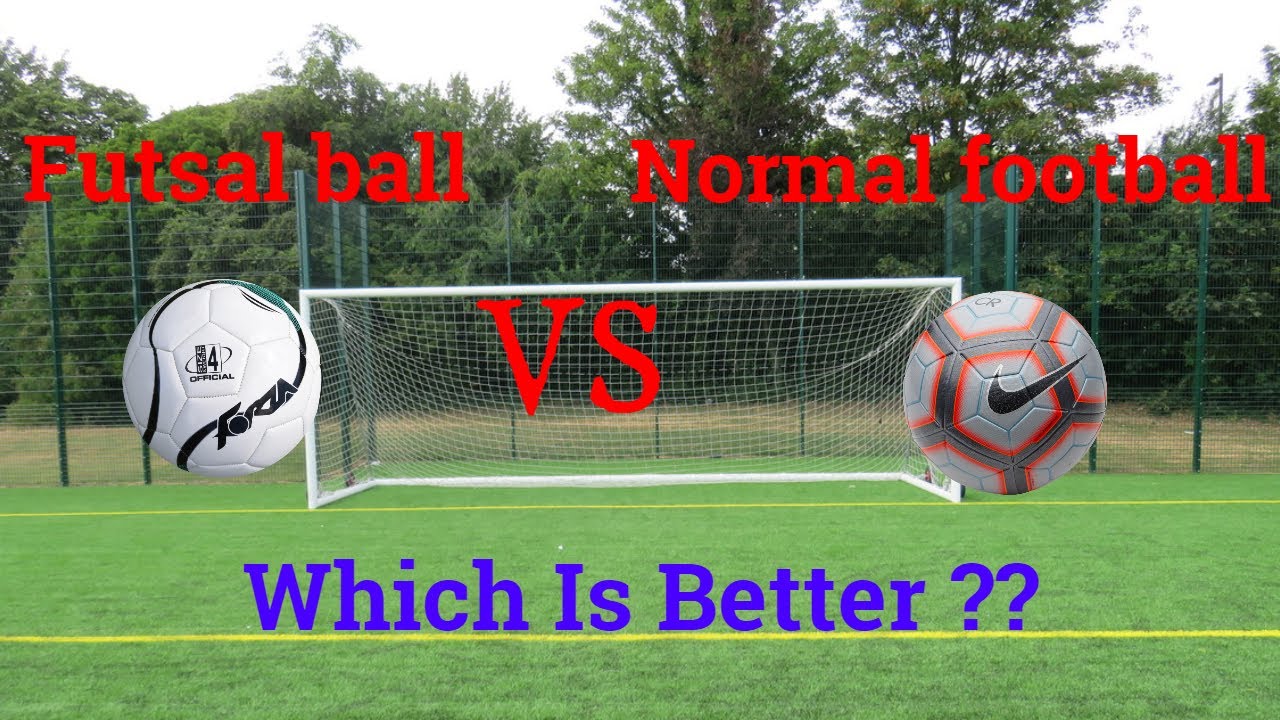
Credit: www.youtube.com
Introduction To Futsal and Soccer
When discussing Futsal Ball vs Soccer Ball, it is important to understand the origins and differences between futsal and soccer. Both sports are loved worldwide, but they have distinct rules, ball sizes, and playing surfaces. Let’s dive into the fascinating history of these two sports.
Origins Of Futsal
Futsal, a sport that originated in Uruguay in the 1930s, was created to provide a version of soccer that could be played indoors. The name “futsal” comes from the Spanish words “fútbol sala” which means “indoor soccer”. This sport quickly spread to other parts of South America, particularly Brazil, where it became extremely popular.
Futsal history highlights a few key points:
- First played in Uruguay: The sport was designed to be played on basketball-sized courts.
- Brazilian Influence: Brazil adopted futsal enthusiastically, contributing significantly to its development.
- International Growth: Futsal is now governed by the Fédération Internationale de Football Association (FIFA) and is played worldwide.
The game strategy in futsal differs from soccer due to the smaller playing surface and fewer players. The futsal ball is smaller and less bouncy than a soccer ball, which affects how the game is played. This makes futsal a fast-paced and skill-intensive sport.
Origins Of Soccer
Soccer, also known as football in most of the world, has a much older history. The sport can be traced back to ancient civilizations, with various forms of the game played in China, Greece, and Rome. Modern soccer, as we know it, began to take shape in England in the mid-19th century.
Key points in soccer history include:
- Ancient Games: Early forms of soccer were played in ancient China (Cuju), Greece, and Rome.
- England’s Influence: The modern form of soccer developed in England with the establishment of standardized rules.
- Global Expansion: Soccer spread worldwide, becoming the most popular sport on the planet.
The soccer ball is larger and more bouncy compared to the futsal ball. Soccer rules are designed for large outdoor fields and 11 players per team, which impacts the game strategy. Soccer has a rich history and cultural significance in many countries.
Understanding the differences between futsal and soccer can enhance your appreciation of both sports. The playing surface, ball size comparison, and rules create unique experiences for players and fans alike.
Ball Size Comparison
Futsal and soccer are both exciting sports, but the balls used in each game have key differences. Understanding the ball size comparison between a futsal ball and a soccer ball can help players improve their skills and performance. Let’s dive into the details of their dimensions and how they affect the game.
Futsal Ball Dimensions
The futsal ball is specifically designed for the indoor game. It has unique dimensions that set it apart from a regular soccer ball. Here’s what you need to know about the size and weight of a futsal ball:
- Size: The standard futsal ball is smaller than a soccer ball. It usually falls within a size range of 62 to 64 cm (24.4 to 25.2 inches) in circumference.
- Weight: The ball is also heavier, weighing between 400 to 440 grams (14 to 15.5 ounces).
- Bounce: A futsal ball has a reduced bounce. This is due to its lower air pressure and different material, which helps in better control on indoor surfaces.
- Material: Typically, the futsal ball is made from materials that provide durability and control, such as synthetic leather.
These characteristics make the futsal ball ideal for indoor soccer, where quick passes and close control are crucial. The heavier weight and smaller size help players develop better foot skills and enhance their overall performance.
| Feature | Futsal Ball |
|---|---|
| Size | 62-64 cm (24.4-25.2 inches) |
| Weight | 400-440 grams (14-15.5 ounces) |
| Material | Synthetic Leather |
| Bounce | Reduced |
Soccer Ball Dimensions
In contrast, the soccer ball used in outdoor soccer has different dimensions. Here’s a breakdown of the standard size, weight, and other features of a soccer ball:
- Size: The standard soccer ball is larger, with a circumference of 68 to 70 cm (27 to 28 inches).
- Weight: It is lighter compared to a futsal ball, weighing between 410 to 450 grams (14 to 16 ounces).
- Bounce: A soccer ball has a higher bounce due to its higher air pressure and different construction, making it suitable for the larger outdoor playing field.
- Material: Soccer balls are typically made from synthetic materials or leather, designed for durability and performance on outdoor surfaces.
These dimensions are important for the outdoor game. The larger size and lighter weight allow for longer passes and higher bounces, which are essential for outdoor soccer.
| Feature | Soccer Ball |
|---|---|
| Size | 68-70 cm (27-28 inches) |
| Weight | 410-450 grams (14-16 ounces) |
| Material | Synthetic or Leather |
| Bounce | High |
By understanding these differences, players can choose the right ball for their game, whether they are playing futsal or outdoor soccer. This knowledge helps in improving player skills and performance, tailored to the specific requirements of each sport.
Weight Differences
Futsal Ball Vs Soccer Ball weight differences are significant. Understanding these differences helps players choose the right ball for their game. This knowledge ensures optimal performance and gameplay. Let’s dive into the details of Futsal Ball Weight and Soccer Ball Weight.
Futsal Ball Weight
The Futsal ball is designed for indoor play. This ball is smaller and heavier compared to a standard soccer ball. The typical Futsal Ball Weight ranges between 400 to 440 grams.
Here are some key points about Futsal Ball Weight:
- The ball is less bouncy due to its weight.
- It allows better control on hard indoor surfaces.
- The weight helps in keeping the ball low, promoting quick passing and control.
Here is a table summarizing the Futsal Ball Size and Weight:
| Futsal Ball Size | Futsal Ball Weight |
|---|---|
| Size 4 | 400-440 grams |
Futsal balls are made of durable materials to withstand the rough indoor play. These balls have a smaller diameter, typically around 62-64 cm. This smaller size and heavier weight make them ideal for fast-paced indoor games.
Soccer Ball Weight
The Soccer Ball Weight is lighter compared to the futsal ball. A standard outdoor soccer ball weighs between 410 to 450 grams. The size of a standard soccer ball, also known as Size 5, is larger than a futsal ball, with a circumference of 68-70 cm.
Here are some important points about Soccer Ball Weight:
- Soccer balls are designed for outdoor play.
- The lighter weight allows for longer, more powerful kicks.
- The ball’s material ensures it is suitable for various weather conditions.
Below is a table summarizing the Soccer Ball Size and Weight:
| Soccer Ball Size | Soccer Ball Weight |
|---|---|
| Size 5 | 410-450 grams |
The materials used in soccer balls, such as synthetic leather, provide durability and performance. The larger size and lighter weight make soccer balls ideal for outdoor play, where longer passes and shots are common.
Material And Design
When comparing a futsal ball to a soccer ball, one of the key differences is found in the material and design. Both balls are crafted for different environments and playing styles, and these distinctions influence their performance. Understanding the materials and design of each ball will help in appreciating their unique characteristics and purposes.
Futsal Ball Materials
The futsal ball is designed for indoor soccer, and its materials reflect the needs of this sport. The outer layer is typically made from synthetic leather, which ensures durability and a smooth touch on indoor surfaces.
- Outer Layer: Synthetic leather for a smooth and durable finish.
- Bladder: Butyl bladder to maintain air pressure longer.
- Panels: Often consists of 32 panels stitched together.
Futsal balls are smaller and heavier compared to soccer balls. This design helps in controlling the ball better on hard, indoor surfaces. The weight and size contribute to reduced bounce, making it easier to perform quick passes and tight ball control.
| Futsal Ball Feature | Description |
|---|---|
| Outer Layer | Synthetic Leather |
| Bladder | Butyl |
| Panel Count | 32 |
| Size | Smaller |
| Weight | Heavier |
These materials and design choices cater to the futsal environment, optimizing the ball for indoor play. They enhance performance characteristics such as control and precision, which are crucial for futsal players.
Soccer Ball Materials
The soccer ball, used in outdoor soccer, has different material requirements. Its outer layer is typically made from either polyurethane (PU) or polyvinyl chloride (PVC), which offer a balance between durability and softness.
- Outer Layer: PU or PVC for durability and softness.
- Bladder: Latex or butyl bladder depending on the need for bounce and air retention.
- Panels: Usually 32 panels, but can vary.
Soccer balls are larger and lighter compared to futsal balls. This design helps in achieving longer passes and shots, suitable for outdoor fields. The ball is designed to bounce more, which suits the grass or turf playing surfaces.
| Soccer Ball Feature | Description |
|---|---|
| Outer Layer | PU or PVC |
| Bladder | Latex or Butyl |
| Panel Count | 32 (varies) |
| Size | Larger |
| Weight | Lighter |
These materials and design choices optimize the soccer ball for outdoor play. They enhance performance characteristics such as flight stability and control on larger fields.
Bounce And Grip
Choosing the right ball is crucial for any game. The bounce and grip of a ball can greatly affect gameplay. This is especially true for futsal and soccer. Understanding the differences in how these balls bounce and grip can improve your performance. Let’s dive into the details of futsal and soccer ball characteristics.
Futsal Ball Bounce Characteristics
A futsal ball is specifically designed for indoor soccer. It is smaller and heavier than a standard soccer ball. This makes its bounce characteristics unique. The reduced bounce is intentional. It keeps the ball low to the ground, which suits the fast-paced nature of futsal.
Here are some key features of futsal ball bounce characteristics:
- Low Bounce: The ball’s material and weight limit its bounce.
- Controlled Play: A low bounce helps in maintaining better control during game play.
- Heavy Weight: The added weight makes it easier to dribble in tight spaces.
The materials used in a futsal ball also affect its bounce. Most futsal balls are made with a foam-filled bladder. This reduces the ball’s rebound. It helps in quick passes and precise control.
| Ball Type | Bounce Height (approx.) | Weight |
|---|---|---|
| Futsal Ball | 25-50 cm | 400-440 grams |
Futsal’s indoor environment also plays a role. The hard surfaces found in indoor soccer courts affect how the ball bounces. This controlled bounce is perfect for quick, skillful play. Futsal players rely on this to maneuver past opponents and make precise passes.
Soccer Ball Bounce Characteristics
Soccer balls are designed for outdoor soccer. Their bounce characteristics are quite different from futsal balls. A soccer ball is larger and lighter. This allows for a higher bounce. The materials used also contribute to its unique bounce.
Key features of soccer ball bounce characteristics include:
- High Bounce: The ball’s material and size allow it to bounce higher.
- Wide Range: Suitable for long passes and high kicks.
- Lighter Weight: Easier to kick long distances.
The traditional soccer ball is made with a latex or butyl bladder. This affects its elasticity and bounce. Soccer balls are designed to perform well on natural grass or artificial turf. The surface and material combination results in a higher, more unpredictable bounce.
| Ball Type | Bounce Height (approx.) | Weight |
|---|---|---|
| Soccer Ball | 60-85 cm | 410-450 grams |
The outdoor soccer environment is less controlled. Various factors like grass length, weather, and field conditions affect how the ball bounces. This variability makes soccer more challenging. Players need to adjust to different bounce characteristics during each game.
Understanding the bounce characteristics of futsal and soccer balls helps players choose the right ball for their game. It also enhances their performance by adapting to the unique demands of each sport.

Credit: sendaathletics.com
Playing Surface Impact
Futsal and soccer might seem similar, but the playing surface can greatly impact how each game is played. Understanding these differences can help players choose the right ball and strategy. Let’s explore how the surfaces for futsal and soccer differ and what each game requires.
Futsal Surface Requirements
Futsal is often played indoors on a hard surface. This can be a gym floor, wood, or a synthetic material. The surface is smooth and allows for quick ball movement. This impacts the Futsal Gameplay significantly.
Here are some Playing Surface Differences for futsal:
- The surface is non-abrasive.
- It enhances ball control.
- Quick passes and dribbling are easier.
The smooth surface also affects the Futsal Ball Characteristics. A futsal ball is smaller and has less bounce. This allows for more precise control and faster play.
Let’s compare some key aspects in a table:
| Aspect | Futsal |
|---|---|
| Surface Type | Hard, smooth |
| Ball Type | Smaller, less bounce |
| Gameplay | Fast, controlled |
These factors make futsal unique. The indoor environment and specific ball create a different pace and style of play.
Soccer Field Requirements
Soccer, or outdoor soccer, is played on grass or turf. These surfaces are larger and can be uneven. This impacts Soccer Gameplay and ball control. The ball used in soccer is designed for these conditions.
Here are some key Playing Surface Differences for soccer:
- The surface can be natural grass or artificial turf.
- It requires a larger playing area.
- Ball movement can be slower due to the surface.
The Soccer Ball Specifications include a larger and bouncier ball. This is suited for the outdoor environment and the larger field.
Here’s a comparison table for soccer:
| Aspect | Soccer |
|---|---|
| Surface Type | Grass, turf |
| Ball Type | Larger, more bounce |
| Gameplay | Slower, strategic |
The outdoor environment and larger ball affect how soccer is played. Understanding these differences helps players adapt their strategy and skills for each game.
Game Dynamics
When discussing Futsal Ball vs Soccer Ball, understanding the game dynamics is crucial. Each game has unique characteristics, including the playing surface, ball size, and player skills, which significantly impact how the game is played. Let’s delve into the distinct gameplay styles of Futsal and Soccer.
Futsal Gameplay Style
Futsal is an indoor soccer variant, played on a hard court. The game is fast-paced and requires quick thinking and precise ball control. The ball used in Futsal is smaller and heavier compared to a traditional soccer ball. This design ensures less bounce, allowing for better control on a hard surface.
Key aspects of Futsal gameplay include:
- Smaller Teams: Futsal is played with five players on each team, including the goalkeeper.
- Shorter Duration: The game consists of two 20-minute halves.
- Smaller Playing Area: The court is much smaller than a soccer field, which increases the intensity and speed of the game.
- Continuous Play: The ball rarely goes out of play, maintaining a continuous flow.
Due to these characteristics, player skills in Futsal emphasize:
- Quick Reflexes: Players need to react swiftly to the fast-paced action.
- Precise Ball Control: The smaller, heavier ball requires better footwork.
- Team Coordination: Close proximity to teammates demands excellent teamwork.
The table below highlights some of the key differences between Futsal and Soccer balls:
| Feature | Futsal Ball | Soccer Ball |
|---|---|---|
| Size | Smaller | Larger |
| Weight | Heavier | Lighter |
| Bounce | Less Bounce | More Bounce |
Soccer Gameplay Style
Soccer, often referred to as outdoor soccer, is played on a large grass field. The game is slower-paced compared to Futsal but involves more strategic play and endurance. The soccer ball is larger and lighter, designed to travel longer distances with more bounce.
Key aspects of Soccer gameplay include:
- Larger Teams: Soccer is played with eleven players on each team, including the goalkeeper.
- Longer Duration: The game consists of two 45-minute halves.
- Larger Playing Area: The field is significantly larger than a Futsal court, allowing for more spaced-out play.
- Frequent Interruptions: The ball often goes out of play, leading to stops and starts.
Due to these characteristics, player skills in Soccer emphasize:
- Endurance: Players need to maintain energy levels for a longer duration.
- Strategic Thinking: The larger field requires more planning and positioning.
- Long-Range Passing: The lighter ball allows for longer passes and kicks.
Understanding these gameplay differences helps appreciate the unique demands and skills required for Futsal and Soccer. Both sports offer distinct challenges and rewards, shaped by their respective balls and playing environments.
Choosing The Right Ball
Choosing the right ball for your game is crucial. Whether you play futsal or soccer, each sport has specific ball requirements. Understanding these differences helps improve your game. Let’s explore when to use a futsal ball versus a soccer ball.
When To Use Futsal Ball
Futsal balls are designed for indoor play. These balls are smaller and heavier than soccer balls. This helps with control and precision on hard surfaces. Here are some match conditions and scenarios where a futsal ball is ideal:
- Indoor Soccer: Futsal is often played indoors. A futsal ball is perfect for this environment.
- Surface Types: Futsal balls are suited for hard, smooth surfaces. These include gym floors and indoor courts.
- Player Skill Development: The smaller size and lower bounce help players develop control and technique. This is important for young players improving their skills.
Futsal balls generally come in size 4, with a circumference of 62-64 cm. They weigh between 400-440 grams. The reduced bounce helps keep the ball on the ground. This is crucial for the fast-paced, close-quarters gameplay of futsal.
In summary, use a futsal ball for indoor games, hard surfaces, and skill development. The design enhances control and precision, key elements in futsal gameplay.
When To Use Soccer Ball
Soccer balls are used for outdoor play on grass or artificial turf. These balls are larger and lighter than futsal balls. Here are some match conditions and scenarios where a soccer ball is ideal:
- Outdoor Games: Soccer is usually played outdoors. A soccer ball is best for these conditions.
- Surface Types: Soccer balls are designed for grass and artificial turf surfaces. They perform well in these environments.
- Gameplay Differences: Soccer involves more running and larger playing fields. A larger ball suits this gameplay style.
Soccer balls typically come in size 5, with a circumference of 68-70 cm. They weigh between 410-450 grams. The higher bounce is suitable for the larger playing area and varied surface types found in soccer.
In summary, use a soccer ball for outdoor games, grass, or artificial turf surfaces. The design supports the running and passing style of soccer gameplay.
Credit: www.youtube.com
Frequently Asked Questions
What Is The Main Difference Between Futsal And Soccer Balls?
Futsal balls are smaller and heavier than soccer balls. This design helps with better control on hard surfaces.
Why Are Futsal Balls Heavier?
Futsal balls are heavier to reduce bounce. This feature enhances control and precision during fast-paced indoor games.
Can You Use A Soccer Ball For Futsal?
Using a soccer ball for futsal is not ideal. Soccer balls are lighter and bouncier, affecting gameplay.
Do Futsal Balls Have Less Bounce?
Yes, futsal balls have less bounce. This is due to their heavier weight and low-bounce design.
Conclusion
Choosing between a futsal ball and a soccer ball depends on your sport. Futsal balls are smaller and heavier, ideal for indoor play. Soccer balls are bigger and lighter, perfect for outdoor fields. Each ball enhances your skills in different ways.
Consider your environment and goals before deciding. Both offer unique benefits. Enjoy the game, no matter which ball you choose!