Football is the world’s most popular sport. Millions watch matches every week.
But how long is a football match? Understanding the length of a football match can enhance your viewing experience. Knowing the duration helps fans plan their time better. Typically, a football match lasts 90 minutes. This is divided into two halves of 45 minutes each.
There is also a 15-minute halftime break. However, added time or extra time can extend the match. Factors like injuries and substitutions cause this. Understanding these details can make watching football more enjoyable. Whether you are a new fan or a seasoned supporter, knowing about match length is crucial. It helps you appreciate the game even more.
Standard Match Duration
Football match length is an essential aspect of the game that fans and players alike need to understand. The standard match duration consists of various segments that determine the total time of play. Knowing these components ensures a better appreciation of the game’s structure and flow.
Regulation Time
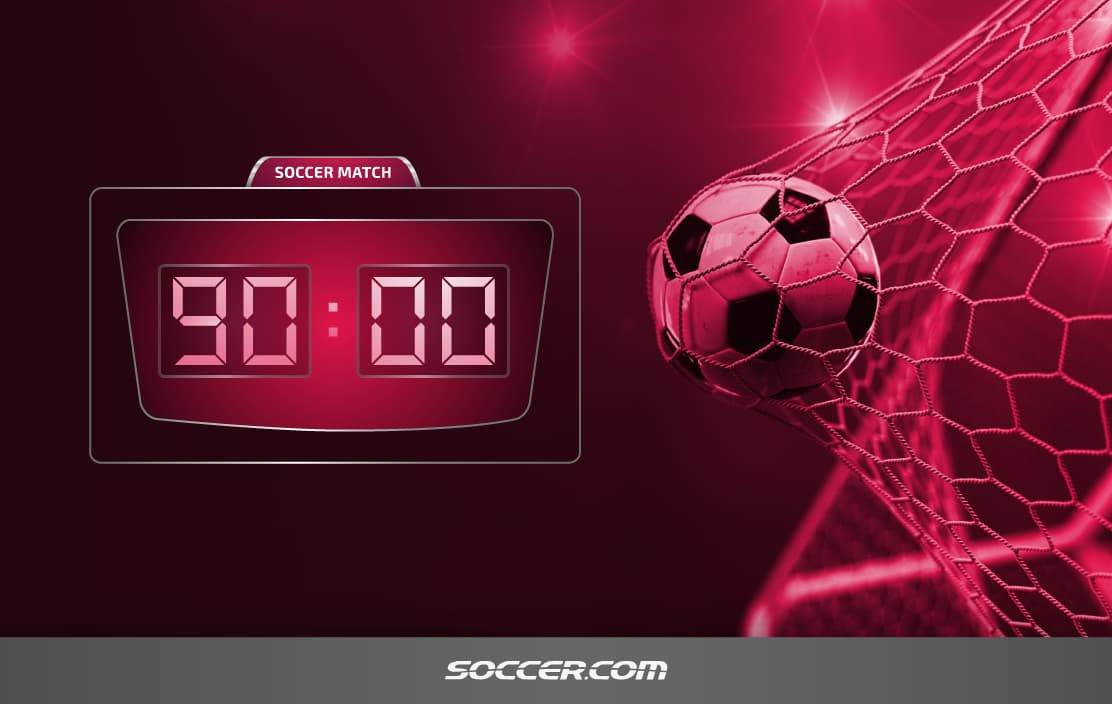
The regulation time in a football match is the official match time set by the governing bodies, usually 90 minutes. This time is divided into two halves, each lasting 45 minutes. During these halves, the clock runs continuously, even for minor interruptions like throw-ins or free kicks.
Here are the key aspects of regulation time:
- First Half: The game starts with the first 45 minutes of play.
- Second Half: After a short break, the remaining 45 minutes are played.
Sometimes, the regulation time may be extended through stoppage time or extra time.
- Stoppage Time: Also known as time added on, this is the time the referee adds to the end of each half to make up for delays.
- Extra Time: In knockout stages, if the match is tied after 90 minutes, two additional 15-minute halves are played.
The total game length can be influenced by stoppage time and extra time, potentially extending beyond the standard 90 minutes.
Half-time Break
The half-time break is a crucial interval during the match. It lasts for 15 minutes, offering players a chance to rest and strategize for the second half. Coaches use this time to make tactical adjustments and provide feedback based on the first half’s performance.
During the half-time break:
- Players Rest: Players regain energy and hydrate to prepare for the second half.
- Coaches Discuss: Tactical changes and motivational speeches are common.
- Medical Attention: Minor injuries are treated to ensure players can continue.
The half-time break also allows fans to take a quick break, grab refreshments, and discuss the first half’s highlights. This short interval maintains the excitement and anticipation for the upcoming 45 minutes of action.
The break is strictly timed to ensure the match resumes without unnecessary delays, keeping the overall football match duration as close to the official match time as possible.
Extra Time And Penalties
The length of a football match is typically 90 minutes, split into two halves of 45 minutes each. But sometimes, a match can’t be decided in that time. This is where extra time and penalties come into play. These additional periods help determine a winner when the game ends in a draw, especially in knockout tournaments.
When Extra Time Occurs
Extra time comes into effect when a match is tied after the regular 90 minutes. This is common in knockout stages of tournaments where a winner is needed to advance to the next round. Extra time consists of two 15-minute halves, totaling an additional 30 minutes of play.
During extra time:
- There is a 5-minute break before extra time begins.
- The match is divided into two halves of 15 minutes each.
- Teams switch ends at the start of the second half.
If the score remains tied after extra time, the game proceeds to a penalty shootout.
Key Points to Remember:
- Extra time is not used in all football matches.
- It is typically reserved for knockout stages and finals.
- Some leagues may use different rules for extra time.
Penalty Shootout Rules
If the game is still tied after extra time, the match proceeds to a penalty shootout. This is a dramatic way to decide the winner, and it involves a series of penalty kicks taken from the penalty mark.
Rules of a Penalty Shootout:
- Each team selects five players to take the penalties.
- Teams take turns to kick from the penalty mark.
- Each player takes one penalty kick.
- The team with the most goals after five kicks wins.
If the score is still tied after five penalties each, the shootout goes to sudden death. In sudden death, teams continue to take one penalty each until one team scores and the other misses.
Important Points:
- Only players on the field at the end of extra time can participate.
- The goalkeeper can be changed before the shootout begins.
- Referees ensure players follow the rules during the shootout.
Penalty shootouts add excitement and tension to the game, making them a thrilling way to end a match.
Youth And Amateur Matches
Football match length can vary significantly based on the level of play. While professional football time is well-defined, youth and amateur matches often have different regulations. These modifications cater to the age and skill level of the players, ensuring the game remains engaging and safe. Understanding these differences is crucial for coaches, players, and parents involved in youth football.
Shorter Game Lengths
Youth football rules typically dictate shorter game lengths than professional matches. This adjustment ensures young players remain focused and energetic throughout the game. Standard match length for professional football is 90 minutes, divided into two 45-minute halves. In contrast, youth league game lengths are often significantly reduced.
For younger age groups, such as under-8s, a match might last only 40 minutes, split into two 20-minute halves. As players grow older, the match duration increases gradually. For example:
- Under-10: 50 minutes (two 25-minute halves)
- Under-12: 60 minutes (two 30-minute halves)
- Under-14: 70 minutes (two 35-minute halves)
- Under-16: 80 minutes (two 40-minute halves)
These game time modifications help maintain a balance between competitive match duration and the players’ physical capabilities. Additionally, these shorter matches accommodate the limited attention spans of younger players, making the game more enjoyable for them.
Youth League Variations
There are many match duration variations within youth leagues. These variations depend on factors such as the players’ age, the league’s rules, and the level of competition. For instance, some youth leagues might implement a running clock, meaning the clock does not stop for any reason, including injuries or substitutions. This can slightly alter the effective football game duration.
Another common adjustment in youth football rules involves the number of players on the field. Younger age groups often play with fewer players, such as 7-a-side or 9-a-side, compared to the standard 11-a-side in professional football. This adjustment impacts the overall pace and style of the game, making it more suitable for young players.
Below is a table summarizing typical youth league game lengths:
| Age Group | Match Duration | Halves |
|---|---|---|
| Under-8 | 40 minutes | 2 x 20 minutes |
| Under-10 | 50 minutes | 2 x 25 minutes |
| Under-12 | 60 minutes | 2 x 30 minutes |
| Under-14 | 70 minutes | 2 x 35 minutes |
| Under-16 | 80 minutes | 2 x 40 minutes |
Such sports time regulations ensure the games are fair and appropriate for each age group. These thoughtful adjustments in football match length help young players develop their skills progressively, preparing them for the standard match length they will encounter in higher levels of play.
Credit: www.soccer.com
Injury Time
Football match length is a fundamental aspect of the game, often extending beyond the standard 90 minutes due to injury time. Also known as stoppage time, injury time is added at the end of each half to compensate for interruptions. These interruptions include injuries, substitutions, and other delays. This additional time ensures the official match duration accurately reflects the actual time spent playing.
Calculating Injury Time
Calculating injury time involves several factors. The referee is responsible for determining the added time, which can vary based on several incidents during the match:
- Injuries: Time lost due to medical attention for injured players.
- Substitutions: Each substitution typically adds about 30 seconds.
- Goal Celebrations: Time spent celebrating goals can add up.
- Disciplinary Actions: Issuing yellow or red cards and related discussions.
Referees aim to be fair and ensure the total match duration includes actual playing time. They often use a stopwatch to track these interruptions. While the standard match time is 90 minutes, the added time can vary. Here is a simple table to illustrate how injury time can be calculated:
| Incident | Average Time Added |
|---|---|
| Injury Treatment | 1-2 minutes |
| Substitution | 30 seconds each |
| Goal Celebration | 1 minute |
| Disciplinary Action | 30 seconds |
By adding these times, referees ensure that the regulation play is fairly extended, resulting in an accurate total match duration.
Impact On Match Length
Injury time significantly impacts the football game duration. While the official match duration is 90 minutes, stoppage time can extend this. Fans often experience the tension of added time, knowing that every second counts. This extra time can change the outcome of a match, offering teams a final chance to score. Here are some ways injury time affects the match:
- Game Length Variations: Different matches have different stoppage times, resulting in varied total match durations.
- Strategy Adjustments: Teams adjust their strategies based on the extra time, either defending a lead or pushing for a goal.
- Increased Excitement: Added time often leads to thrilling moments, with last-minute goals or saves.
Injury time ensures fairness by compensating for delays during the game. It aligns with the principle of fair play, making sure the standard match time is effectively utilized. For fans and players, it adds an unpredictable element to the game. The final whistle, signaling the end of the added time, often brings relief or disappointment, depending on the match’s outcome.
By understanding the importance of injury time, fans and players appreciate the dynamics of football. This aspect of the game ensures that every moment is counted, reflecting the true spirit of competition.
Factors Affecting Duration
The official match duration of a football game is 90 minutes, divided into two halves of 45 minutes each. However, the actual time a match takes can be longer. Various factors can affect the length of a football match. These include substitutions, VAR interventions, injuries, and other stoppages. Understanding these factors can give fans a better grasp of why some games seem to last longer than others.
Substitutions
Substitutions play a crucial role in soccer match length. Teams can make up to five substitutions in many leagues and competitions. Each substitution can add time to the match, as the clock does not stop for these changes.
The referee usually adds extra time, known as stoppage time, at the end of each half to account for these interruptions. Here are some key points about substitutions:
- Substitution Rules: Each team can make up to five substitutions.
- Stoppage Time: Referees add time to the end of each half for substitutions.
- Player Injuries: Substitutions due to injuries can take longer, affecting match time regulations.
Here’s a quick look at how substitution rules impact the game:
| Substitution Type | Impact on Time |
|---|---|
| Regular Substitution | Adds a few seconds |
| Injury Substitution | Can add more time |
| Tactical Substitution | Usually quick, minimal extra time |
Var Interventions
VAR (Video Assistant Referee) interventions are another factor that can extend football game duration. VAR is used to review decisions made by the on-field referee. While VAR helps ensure the fairness of the game, it can also lead to delays.
The impact of VAR on game time includes:
- Decision Reviews: Each review can take several minutes.
- Game Clock Management: The clock keeps running during reviews, leading to extra time.
- Stoppage Time: Referees add additional time to compensate for VAR delays.
VAR interventions can be categorized as follows:
| Review Type | Average Time Taken |
|---|---|
| Goal Review | 2-4 minutes |
| Penalty Decision | 3-5 minutes |
| Red Card Incident | 2-3 minutes |
Understanding the VAR impact on game time is essential for fans. It highlights how technology, while beneficial, can also affect football match components like the official match duration and stoppage time.
Global Variations
Football is a global sport with millions of fans. The length of a football match can vary depending on where it is played. Different regions follow different rules. These variations can be seen in professional leagues, youth matches, and international games. Understanding these differences is essential for anyone interested in the sport.
Different Leagues
In professional football, the match time regulation typically follows a standard format. Most leagues, such as the English Premier League and La Liga, have a professional football duration of 90 minutes. This time is divided into two halves of 45 minutes each, with a 15-minute halftime break.
Besides the standard 90 minutes, there is also stoppage time in football. This is added by the referee to compensate for time lost due to injuries, substitutions, and other interruptions. Stoppage time can vary but usually ranges from 1 to 5 minutes per half.
Below is a table summarizing the league match duration for some of the top leagues:
| League | Match Length | Stoppage Time |
|---|---|---|
| English Premier League | 90 minutes | 3-5 minutes |
| La Liga | 90 minutes | 2-4 minutes |
| Serie A | 90 minutes | 3-6 minutes |
| Bundesliga | 90 minutes | 2-5 minutes |
Youth football matches often have shorter durations. Youth football match time varies by age group. For example, under-12 matches might have two halves of 25 minutes each, while under-16 matches might be 35 minutes per half.
International Matches
International football matches also follow a standard soccer match length of 90 minutes. This is divided into two halves of 45 minutes. The FIFA match rules apply to these games. These rules ensure consistency across all international matches.
Just like in league matches, stoppage time is added to international games. This compensates for any delays during the match. The amount of stoppage time varies but is generally between 1 to 5 minutes per half.
For tournaments, if a match is tied at the end of the regular 90 minutes, extra time is played. Extra time consists of two 15-minute halves. If the game is still tied after extra time, a penalty shootout decides the winner.
Here is a breakdown of international football timing:
- Regular Time: 90 minutes (two halves of 45 minutes)
- Extra Time: 30 minutes (two halves of 15 minutes)
- Penalty Shootout: If needed, after extra time
Understanding these variations helps fans and players alike. Knowing the average match length and specific rules ensures a better appreciation of the game. Whether it is a league match or an international tournament, the football game duration remains a crucial aspect of the sport.
Historical Changes
Football match length has undergone several historical changes. Understanding these changes can provide insight into how the game has evolved over time. From the early days of unregulated play to the modern precision of FIFA rules, the length of a football match has seen significant transformations.
Evolution Of Match Length
In the early days, football matches did not have a standardized duration. Teams played until they reached an agreed-upon score or until darkness fell. This led to inconsistent game lengths. To address this, the first formal rules introduced a fixed match length.
Initially, matches lasted for two halves of 45 minutes each, making the total regulation time 90 minutes. This was established to provide a balanced duration for both teams. Over time, this regulation became the standard for both domestic and international matches.
The evolution of match length is highlighted in the table below:
| Period | Match Length |
|---|---|
| Pre-19th Century | Varied |
| Mid-19th Century | 90 minutes |
| Modern Era | 90 minutes + Injury Time |
This consistent 90-minute duration allowed for better planning and scheduling of matches. Over time, the addition of injury time further refined the game duration, ensuring fair play even if interruptions occurred.
Rule Changes Over Time
Several rule changes have influenced the length of football matches. Early football did not account for stoppages in play, leading to disputes and inconsistencies. The introduction of injury time addressed this issue, ensuring that time lost due to injuries or other stoppages was added back at the end of each half.
FIFA rules have also introduced extra time for knockout stage matches. This addition allowed matches to have a clear winner without the need for replays. Extra time consists of two 15-minute halves, making the potential game duration 120 minutes plus injury time.
Key rule changes over time:
- Standardization of 90-minute matches
- Introduction of injury time
- Implementation of extra time for knockout stages
- Golden Goal and Silver Goal rules (historically)
These changes ensured the fairness and consistency of match durations. They also contributed to the excitement and unpredictability of the sport. Today’s fans enjoy a well-structured game with clear guidelines, thanks to the historical match length adjustments and rule changes.
Fan Experience
Football match length plays a crucial role in the fan experience. The duration of the game can affect how much fans enjoy the event. It also impacts their decision to attend matches. Understanding the balance between game time and fan engagement can help improve the overall football viewing experience.
Enjoyment Vs. Duration
The average football match time typically spans 90 minutes. This duration is split into two 45-minute halves. Some fans believe this is the perfect length for a game. It allows enough time for excitement without becoming too long.
However, there are factors that can extend this time. These include stoppage time, extra time, and penalties. While these additions can heighten suspense, they can also test the patience of some viewers. It’s essential to consider both enjoyment and duration to maintain a positive football viewing experience.
Here are some fan enjoyment factors related to match duration:
- Suspense: Longer matches can build suspense, especially during close games.
- Comfort: Fans in the stadium need comfortable seating for longer durations.
- Attention Span: Younger audiences may find longer games harder to sit through.
- Breaks: Halftime provides a necessary break for fans to rest and refresh.
In a match duration analysis, it’s clear that the balance between enjoyment and duration is key. Football game duration must be long enough to provide excitement but not so long that it leads to boredom.
Impact On Attendance
Attendance at football matches can be influenced by the length of the game. The duration can affect a fan’s decision to attend a match in person. Many factors come into play when considering the impact on attendance.
Here are some points to consider:
- Scheduling: Football event scheduling needs to consider the convenience of fans. Matches held too late or too early may see lower attendance.
- Commitment: Fans need to set aside a significant amount of time to attend a match. This includes travel time, the game itself, and returning home.
- Family-Friendly: Soccer match length impacts families with young children. Shorter matches might be more appealing to families.
- Weather: Longer matches in extreme weather conditions can deter fans from attending.
To understand the impact on spectator engagement, one can look at attendance figures before and after changes in game time regulations. A well-balanced football game duration can lead to higher attendance and better fan enjoyment. Proper match duration analysis helps in making informed decisions about game time, ensuring a positive experience for all fans.
Frequently Asked Questions
How Long Is A Football Match?
A standard football match lasts 90 minutes, divided into two 45-minute halves. There is a 15-minute halftime break.
What Is Added Time In Football?
Added time, or stoppage time, is extra minutes added at the end of each half to compensate for delays.
Can A Football Match Go Into Extra Time?
Yes, in knockout stages, if the match is tied, it can go into extra time, adding 30 minutes.
How Is Injury Time Determined In Football?
Injury time is determined by the referee, who accounts for stoppages due to injuries, substitutions, and other delays.
Bottom Line
Football matches typically last 90 minutes, divided into two halves. This duration ensures excitement and a fair challenge. Knowing the length helps fans plan their time better. Referees may add extra minutes for stoppages. Understanding match length enriches the viewing experience.
It allows fans to enjoy every moment, from kickoff to the final whistle. So, whether watching at home or in the stadium, being aware of the game duration adds to the fun. Enjoy the game!